|
|
Next-Generation Biogas: Innovation in Feedstocks & Process Efficiency 17/06/2026 at 15:00
This session will explore how innovation in the biogas sector is opening new pathways for efficiency, feedstock flexibility, project economics and wider market deployment. Bringing together complementary perspectives from technology developers and project practitioners, the discussion will examine how the next generation of biogas solutions can help make anaerobic digestion more adaptable, resilient and economically attractive across a wider range of operating conditions.
Innovations in the spotlight:
Opus Cactus will bring insight into the diversification of feedstocks and the opportunities linked to underutilised organic resources, exploring how drought-resistant cactus cultivation on marginal and water-constrained land could open new pathways for biogas production in regions where conventional energy crops are less viable. The discussion will examine how such approaches may contribute not only to feedstock resilience and project viability, but also to land rehabilitation, climate adaptation and decentralised rural energy development.
Andersen.Bio, alongside this, will present its work on dramatically accelerated digestion processes, including experience reducing digestion time from around 65 days to approximately 5 days. The discussion will consider the implications this could have for reactor sizing, capital expenditure, heating demand, operational efficiency and overall plant economics.
Olivado Energy will present a large-scale agro-industrial case study demonstrating how organic processing residues from avacado oil production can be transformed from a waste management challenge into a strategic energy resource. Drawing on experience from avocado processing operations in Kenya, the presentation will explore how biogas can be integrated into industrial production systems to reduce energy costs, improve resource efficiency and support broader circular economy objectives through the valorisation of agricultural residues.
Energidrop will provide insight into the development of the Fishwater Flats Biogas Project in South Africa, illustrating how innovative approaches to municipal wastewater treatment, co-digestion and resource recovery can create new opportunities for renewable energy generation and value creation. The discussion will explore how integrated bioenergy systems combining biological and potentially thermochemical conversion pathways can unlock additional energy products, improve resource efficiency and enhance overall project economics.
Together, these perspectives will help frame a broader conversation around how innovation in feedstock utilisation, process optimisation, integrated resource recovery and system design may reshape the future economics, resilience and scalability of biogas projects.
|
|
Valeria Araico
Operations and Programs Senior Manager
INTERNATIONAL BIOCHAR INITIATIVE IBI
Navigating Biochar Carbon Projects: Building Credible & Investable Biochar Carbon Projects 17/06/2026 at 10:00
As biochar projects move from pilot scale to fully operational carbon removal businesses, developers are increasingly confronted with the practical realities of certification, monitoring, verification and credit issuance. This session will move beyond high-level discussions to focus on the real-world “how-to” of successfully developing, certifying and operating biochar carbon projects. Drawing on practical experience from project developers, standards bodies and carbon market specialists, the discussion will explore the key operational, technical and documentation requirements needed to avoid delays, improve project bankability and ensure the reliable issuance of carbon credits.
Particular attention will be given to the critical interfaces between project design, feedstock selection, production systems, laboratory analysis, MRV requirements and registry expectations. Speakers including International Biochar Initiative (IBI), Carbon Standards International and atmosfair will share practical insights gathered from working directly with producers, buyers, laboratories and certification systems across multiple projects and legal frameworks. Delegates can expect to gain a clearer understanding of the common pitfalls that slow projects down, the steps required to achieve smoother certification pathways, and how robust project design and operational discipline can support timely, credible and commercially viable carbon credit generation.
|
Biochar Across Africa: The Pathway from Today’s Emerging Projects to Industry Scale 17/06/2026 at 11:30
Biochar is increasingly attracting attention not only as a carbon removal pathway, but also as a multifunctional tool capable of improving soil health, nutrient efficiency, water retention and agricultural resilience. This session will explore how biochar applications are evolving from research and pilot programmes into real-world deployment across agricultural, environmental and climate-related applications. Bringing together researchers, standards organisations and project practitioners, the discussion will examine both the scientific foundations and the practical realities of integrating biochar into regenerative and climate-smart land management systems.
Illustrated through field experience, applied research and operational projects, the session will provide insight into how biochar is being used across different soils, climates and agricultural systems, as well as the challenges linked to quality assurance, agronomic performance and long-term monitoring. Contributions from International Biochar Initiative (IBI), Circular Bionutrient Economy Network (CBE) and University Cadi Ayyad will explore the intersections between biochar science, carbon markets, nutrient cycling, regenerative agriculture and sustainable land restoration. Delegates can expect to gain a clearer understanding of both the opportunities and the practical implementation pathways for scaling high-integrity biochar projects in African and international contexts.
|
|
Gordon Ayres
SECRETARY
SOUTHERN AFRICAN BIOGAS INDUSTRY ASSOCIATION SABIA
Biogas Plenary : Building a Biogas Ecosystem - Policy, Regulation & Partnerships 17/06/2026 at 10:00
This opening plenary session will provide a high-level overview of the current state and future potential of the biogas sector in South Africa, with a particular focus on the policy and regulatory environment required to support industry growth.
The session will explore how governments, municipalities, regulators, and industry stakeholders can work together to create enabling frameworks that accelerate investment, project implementation, and long-term sector development. Discussions will also highlight the role of biogas within broader energy transition, waste management, climate, and circular economy strategies.
Key themes may include:
- Biogas policy and regulatory developments
- Waste management and renewable energy legislation
- Licensing, permitting, and compliance requirements
- Public-private collaboration and sector support mechanisms
- The role of biogas in achieving climate and sustainability targets
|
SABIA AGM 17/06/2026 at 17:20
The Southern African Biogas Industry Association (SABIA) will host its 2026 Annual General Meeting during the closing session of Day 1. The AGM will provide members with an opportunity to reflect on the association’s activities, governance, financial performance, and strategic direction, while also discussing priorities for advancing the biogas sector across Southern Africa. The meeting will include:
- Treasurer’s and Secretary General’s addresses
- Financial statements and resolutions
- Re-appointment of auditors
- Re-election of directors
- Executive updates and general matters
The AGM will be open to SABIA members attending Bio360 Africa
|
Green Cooking in Africa: Building Integrated Bioenergy Ecosystems 18/06/2026 at 09:30
Africa’s cooking energy transition requires more than simply replacing traditional fuels — it requires the development of integrated, scalable, and locally rooted energy ecosystems. This session explores the emerging concept of “Green Cooking”: modern renewable cooking systems based on sustainable bioenergy pathways including biogas, bioethanol, pellets, wood chips, and other circular biomass solutions.
Bringing together technology developers, project implementers, financiers, policymakers, and carbon market stakeholders, the session will examine how fuels and cooking technologies must be developed in parallel to create viable markets and long-term adoption. Discussions will cover technology pathways, decentralized production models, fuel distribution systems, circular economy opportunities, institutional demand, carbon finance, and the policy frameworks needed to scale green cooking across Africa.
The session aims to position bioenergy not as a transitional solution, but as a strategic pillar of Africa’s renewable energy, agricultural, and circular bioeconomy future.
The planned session structure is as follows:
- Welcome & Introduction (09:30 - 09:40)
- Fuel & Technology Pathways (09:40 - 10:40)
- Value Chains & Deployment (10:40 - 11:35)
Break: Stretch your legs (11:35 - 11:50)
- Finance (11:50 - 12:30)
- Panel Discussion: Scaling up (12:30 - 13:00)
Session organised in collaboration with the World Bioenergy Association (WBA) Clean Cooking Working Group. Support by GIZ Kenya, African Biodigester Component Kenya
|
|
Abdelaziz BAÇAOUI
Chercheur
Cadi Ayyad University
Prof. Abdelaziz Baçaoui is a professor at Cadi Ayyad University, Faculty of Sciences Semlalia, Marrakech, and an affiliated professor at Mohammed VI Polytechnic University (UM6P). His research focuses on biochar, sustainable materials and biomass valorisation, with applications in regenerative agriculture, wastewater treatment and low‑carbon building materials. He is coordinating the emerging Center for Research and Expertise on Biochar and Low‑Carbon Systems (CREB‑UCA), which federates laboratories across water, soils, materials and life‑cycle assessment, and develops MRV and carbon credit approaches adapted to African contexts.
Biochar Across Africa: The Pathway from Today’s Emerging Projects to Industry Scale 17/06/2026 at 11:30
Biochar is increasingly attracting attention not only as a carbon removal pathway, but also as a multifunctional tool capable of improving soil health, nutrient efficiency, water retention and agricultural resilience. This session will explore how biochar applications are evolving from research and pilot programmes into real-world deployment across agricultural, environmental and climate-related applications. Bringing together researchers, standards organisations and project practitioners, the discussion will examine both the scientific foundations and the practical realities of integrating biochar into regenerative and climate-smart land management systems.
Illustrated through field experience, applied research and operational projects, the session will provide insight into how biochar is being used across different soils, climates and agricultural systems, as well as the challenges linked to quality assurance, agronomic performance and long-term monitoring. Contributions from International Biochar Initiative (IBI), Circular Bionutrient Economy Network (CBE) and University Cadi Ayyad will explore the intersections between biochar science, carbon markets, nutrient cycling, regenerative agriculture and sustainable land restoration. Delegates can expect to gain a clearer understanding of both the opportunities and the practical implementation pathways for scaling high-integrity biochar projects in African and international contexts.
|
|
Gift Mmatsie Baloyi
FOUNDER
BLEG GreenEnergy pty
Gift Mmatsie Baloyi is an accomplished South African industrialist, mining engineer, and strategist operating at the intersection of heavy operations, digital technology, and sustainable development. As Founder and Managing Director of her progressive industrial advisory, Gift helps mining, heavy industry, and green energy ventures navigate structural changes, de-risk physical infrastructure, and scale sustainable supply chains.
Gift’s ability to drive localized socio-economic impact is backed by a robust, multi-disciplinary academic foundation:
MBA from Johannesburg Business School (UJ), focusing on strategic leadership.
Postgraduate Diploma in Industrial Engineering from the University of the Witwatersrand.
B.Eng Tech in Mining Engineering from the University of Johannesburg.
Advanced specializations in Strategic Risk Management (UNISA) and Project Management (UCT).
Combining hands-on experience in managing complex physical operations with deep business acumen, Gift is uniquely positioned to bridge the gap between heavy operational execution and boardroom investment. She is dedicated to championing South Africa’s Just Energy Transition—redefining green industrialisation as a powerful mechanism for rural job creation, resource security, and sustainable economic empowerment.
Renewable Biofuels & Biochemicals: Scaling Biodiesel in Africa 18/06/2026 at 14:00
As Africa seeks to diversify its renewable energy mix and reduce dependence on imported fossil fuels, biodiesel is increasingly emerging as a practical circular-economy solution capable of transforming problematic waste streams into locally produced transport and industrial fuels. This session will explore the growing biodiesel landscape within Southern Africa, examining how waste oils, organic residues and other feedstocks are being converted into cleaner-burning renewable fuels while simultaneously addressing waste management, emissions reduction and energy security challenges. The discussion will also examine the evolving role of biodiesel within industrial decarbonisation, transport applications and localised energy resilience strategies.
Drawing on practical project experience and operational expertise, contributors including Kulu Eco-Services, Thauma Energy Projects, MT Biofuels, Zen Oil, Sasol and BLEG GreenEnergy will share insights into feedstock sourcing, used cooking oil recovery, biodiesel production systems, fuel quality standards and market deployment within African operating conditions. The session will also explore how biodiesel production pathways can evolve beyond fuel alone towards the wider valorisation of bio-based molecules and co-products, including opportunities linked to biochemicals, industrial inputs and higher-value circular bioeconomy applications. Delegates can expect to gain a clearer understanding of both the opportunities and practical challenges associated with scaling biodiesel production in Africa, including feedstock logistics, regulatory frameworks, quality assurance, decentralised production models and the wider role biodiesel and associated bio-refining pathways could play within Africa’s emerging circular bioeconomy.
|
|
South African Biochar Insights : Individual Journeys, Collective Experience 17/06/2026 at 14:00
South Africa’s biochar sector is reaching an important turning point. For the first time, a unique group of pioneering producers, technology developers and early-stage project leaders will come together for an open discussion on the realities of building a biochar industry within the Sub-Saharan African context. Drawing on hands-on experience from organisations including B10 Char, PyroSA / Pyronam, Phambili Global, MyCHARR, Aquagel and Nhlamunyiko Group, the session will offer delegates a rare opportunity to hear directly from those navigating the technical, operational, financial and market realities of scaling biochar projects in Southern Africa. Through the sharing of individual journeys - each shaped by different feedstocks, technologies, markets, financing pathways and operational contexts - the discussion will help reveal a broader collective experience of the sector, highlighting both the recurring challenges encountered across projects and the areas where approaches are converging around shared lessons - or beginning to diverge as technologies, markets and business models evolve.
Rather than theoretical discussions, the session will focus on practical lessons learned from real projects, real deployment challenges and real commercial experiences encountered along the way. The discussion will explore how producers and developers are approaching feedstock selection, technology pathways, carbon certification, market development and commercial positioning, while also examining where the strongest opportunities are emerging across agriculture, industry, carbon removal and the wider bioeconomy. Delegates can expect candid insight into the successes, setbacks and unexpected realities encountered by first movers in the sector, as well as perspectives on what is still needed - from policy support and infrastructure to financing mechanisms, partnerships and market confidence - to help accelerate biochar deployment across Sub-Saharan Africa. Together, these collective experiences will help provide a grounded and forward-looking picture of where the Sub-Saharan African biochar sector stands today and where it could realistically evolve to over the coming decade.
|
|
Timothy BERGER
General Manager - Waterleau South Africa
WATERLEAU GROUP SA
Biogas & the Circular Economy: Valorising Agricultural Residues and Biowaste 17/06/2026 at 12:00
Africa generates significant volumes of agricultural residues and organic waste that can be converted into renewable energy and valuable bio-based products. This session will explore the potential of biogas systems to unlock value from these underutilised resources. The discussion will highlight feedstock opportunities from agriculture, agro-processing, food systems, and municipal organic waste streams, while showcasing how waste-to-energy solutions can contribute to energy generation, sustainable agriculture, and circular economy development. Topics include:
- Livestock manure and agricultural residues
- Food and agro-processing waste
- Industrial effluents, wastewater and resource recovery
- Municipal organic waste diversion and co-digestion
- Feedstock management and logistics
- Digestate utilisation, nutrient recovery and biofertilisers
- Circular economy opportunities linked to biogas and biomethane
|
|
Regenerative Agriculture: Restoring Soils through Biological & Circular Solutions 18/06/2026 at 10:00
Regenerative agriculture is increasingly emerging as a critical intersection point between soil health, nutrient recovery, climate resilience, circular economy development and carbon removal. This session will explore how biological inputs, organic waste valorisation, biofertilisers and biochar-based soil solutions are being deployed to help restore degraded soils, improve crop productivity and reduce dependence on imported synthetic fertilisers. Bringing together pioneers working across waste management, biological agronomy, carbon markets and regenerative farming systems, the discussion will examine how integrated circular approaches can help strengthen both agricultural resilience and local bioeconomies within African and international contexts.
Drawing on operational experience from across the continent, Regen Organics will share insight into its circular economy model transforming urban organic waste streams into valuable agricultural inputs, including organic fertilisers, while also pioneering biochar and carbon credit initiatives in Africa. GreenCell will explore the role of biofertilisers and biological soil enhancement in improving soil health, sustainability and crop yields within emerging agronomic systems. Contributions from Phambili Energy will examine the JengaBio Suite and its approach to biological and regenerative agricultural solutions, while Circular Bionutrient Economy Network (CBEA) and Regen8 / Aquagel will provide broader perspectives on nutrient cycling, soil regeneration, water efficiency and sustainable land management. Delegates can expect to gain practical insight into how regenerative agriculture is evolving from isolated practices into integrated systems linking waste valorisation, biological soil restoration, climate resilience and carbon finance opportunities.
Part 1 (10:00 - 11:30) CBEA Regen Organics Greencell Carbon Connect 1 hour of presentations and 30 mins of panel discussion / exchange with the floor
Part 2 (11:40 - 13:10) Phambili Energy Aquagel Bioactive Biologics 1 hour of presentations and 30 mins of panel discussion / exchange with the floor
|
|
Biogas & the Circular Economy: Valorising Agricultural Residues and Biowaste 17/06/2026 at 12:00
Africa generates significant volumes of agricultural residues and organic waste that can be converted into renewable energy and valuable bio-based products. This session will explore the potential of biogas systems to unlock value from these underutilised resources. The discussion will highlight feedstock opportunities from agriculture, agro-processing, food systems, and municipal organic waste streams, while showcasing how waste-to-energy solutions can contribute to energy generation, sustainable agriculture, and circular economy development. Topics include:
- Livestock manure and agricultural residues
- Food and agro-processing waste
- Industrial effluents, wastewater and resource recovery
- Municipal organic waste diversion and co-digestion
- Feedstock management and logistics
- Digestate utilisation, nutrient recovery and biofertilisers
- Circular economy opportunities linked to biogas and biomethane
|
|
Valorising Industrial & Agricultural Effluent Biowaste Streams : Technologies, Applications & Industrial Opportunities 17/06/2026 at 14:20
This session will examine the treatment and valorisation of industrial and agricultural effluent streams through anaerobic digestion and related waste-to-energy technologies. Speakers will discuss how effluent management systems can reduce environmental impacts while simultaneously generating renewable energy, recovering nutrients, and improving operational sustainability across multiple industries. The session will include perspectives from sectors such as:
- Agriculture and livestock production
- Food and beverage processing
- Wastewater treatment
- Industrial manufacturing
Key discussion areas include:
- Effluent treatment technologies
- Wastewater-to-energy systems
- Environmental compliance and sustainability
- Energy recovery and resource efficiency
- Opportunities for industrial decarbonisation
|
|
Fuel Switching from Fossil to Biomass for Power Production 17/06/2026 at 10:00
|
Next-Generation Biogas: Innovation in Feedstocks & Process Efficiency 17/06/2026 at 15:00
This session will explore how innovation in the biogas sector is opening new pathways for efficiency, feedstock flexibility, project economics and wider market deployment. Bringing together complementary perspectives from technology developers and project practitioners, the discussion will examine how the next generation of biogas solutions can help make anaerobic digestion more adaptable, resilient and economically attractive across a wider range of operating conditions.
Innovations in the spotlight:
Opus Cactus will bring insight into the diversification of feedstocks and the opportunities linked to underutilised organic resources, exploring how drought-resistant cactus cultivation on marginal and water-constrained land could open new pathways for biogas production in regions where conventional energy crops are less viable. The discussion will examine how such approaches may contribute not only to feedstock resilience and project viability, but also to land rehabilitation, climate adaptation and decentralised rural energy development.
Andersen.Bio, alongside this, will present its work on dramatically accelerated digestion processes, including experience reducing digestion time from around 65 days to approximately 5 days. The discussion will consider the implications this could have for reactor sizing, capital expenditure, heating demand, operational efficiency and overall plant economics.
Olivado Energy will present a large-scale agro-industrial case study demonstrating how organic processing residues from avacado oil production can be transformed from a waste management challenge into a strategic energy resource. Drawing on experience from avocado processing operations in Kenya, the presentation will explore how biogas can be integrated into industrial production systems to reduce energy costs, improve resource efficiency and support broader circular economy objectives through the valorisation of agricultural residues.
Energidrop will provide insight into the development of the Fishwater Flats Biogas Project in South Africa, illustrating how innovative approaches to municipal wastewater treatment, co-digestion and resource recovery can create new opportunities for renewable energy generation and value creation. The discussion will explore how integrated bioenergy systems combining biological and potentially thermochemical conversion pathways can unlock additional energy products, improve resource efficiency and enhance overall project economics.
Together, these perspectives will help frame a broader conversation around how innovation in feedstock utilisation, process optimisation, integrated resource recovery and system design may reshape the future economics, resilience and scalability of biogas projects.
|
Landfill Gas Recovery & Utilisation: Technologies, Projects & Integration Pathways 18/06/2026 at 10:00
|
|
Dries BOTHMA
Plant Manager
ACTOM AND LESEDI POWER SERVICES (ALPS)
|
Henk BOUWER
Executive Technology Development
African Rainbow Minerals Limited
Industrial Biochar Applications for Metallurgy, Construction and Mining Land Rehabilitation 17/06/2026 at 15:30
As biochar markets continue to mature, increasing attention is being given to industrial applications capable of extending its value far beyond agriculture and carbon removal alone. This session will explore how biochar and biocarbon materials are beginning to emerge as strategic tools within industrial decarbonisation pathways, particularly in energy-intensive sectors such as metallurgy, mining and heavy industry. Drawing on international project experience and operational perspectives, the discussion will examine the technical, environmental and commercial realities of integrating biochar-derived materials into industrial processes traditionally reliant on fossil carbon sources.
Alongside industrial applications, the session will also explore the growing role of biochar in land remediation and ecological restoration, particularly in landscapes affected by mining and industrial degradation. Speakers will share insights into how biochar can contribute to soil rehabilitation, contaminant immobilisation, water retention and ecosystem recovery, while simultaneously supporting carbon sequestration and circular resource utilisation. Delegates can expect to gain a clearer understanding of the opportunities, limitations and emerging market pathways for industrial biochar applications, as well as how these approaches may contribute to wider decarbonisation, land restoration and bioeconomy development strategies within African and international contexts.
|
|
James BROWNE
CEO
CNES
James is the Chief Executive Officer of Carbon Neutral Energy Systems (CNES), a project development and advisory firm specialising in decarbonisation activities and technologies. CNES is active across Southern and West Africa, helping industrial clients achieve their decarbonisation goals through the implementation of credible programmes. CNES' most recent programme is Ecofoyer Guinée, a clean cooking project which aims to distribute more than 70 thousand clean cooking devices in its pilot phase, with aims to scale nationally across The Republic of Guinea.
Green Cooking in Africa: Building Integrated Bioenergy Ecosystems 18/06/2026 at 09:30
Africa’s cooking energy transition requires more than simply replacing traditional fuels — it requires the development of integrated, scalable, and locally rooted energy ecosystems. This session explores the emerging concept of “Green Cooking”: modern renewable cooking systems based on sustainable bioenergy pathways including biogas, bioethanol, pellets, wood chips, and other circular biomass solutions.
Bringing together technology developers, project implementers, financiers, policymakers, and carbon market stakeholders, the session will examine how fuels and cooking technologies must be developed in parallel to create viable markets and long-term adoption. Discussions will cover technology pathways, decentralized production models, fuel distribution systems, circular economy opportunities, institutional demand, carbon finance, and the policy frameworks needed to scale green cooking across Africa.
The session aims to position bioenergy not as a transitional solution, but as a strategic pillar of Africa’s renewable energy, agricultural, and circular bioeconomy future.
The planned session structure is as follows:
- Welcome & Introduction (09:30 - 09:40)
- Fuel & Technology Pathways (09:40 - 10:40)
- Value Chains & Deployment (10:40 - 11:35)
Break: Stretch your legs (11:35 - 11:50)
- Finance (11:50 - 12:30)
- Panel Discussion: Scaling up (12:30 - 13:00)
Session organised in collaboration with the World Bioenergy Association (WBA) Clean Cooking Working Group. Support by GIZ Kenya, African Biodigester Component Kenya
|
|
Next-Generation Biogas: Innovation in Feedstocks & Process Efficiency 17/06/2026 at 15:00
This session will explore how innovation in the biogas sector is opening new pathways for efficiency, feedstock flexibility, project economics and wider market deployment. Bringing together complementary perspectives from technology developers and project practitioners, the discussion will examine how the next generation of biogas solutions can help make anaerobic digestion more adaptable, resilient and economically attractive across a wider range of operating conditions.
Innovations in the spotlight:
Opus Cactus will bring insight into the diversification of feedstocks and the opportunities linked to underutilised organic resources, exploring how drought-resistant cactus cultivation on marginal and water-constrained land could open new pathways for biogas production in regions where conventional energy crops are less viable. The discussion will examine how such approaches may contribute not only to feedstock resilience and project viability, but also to land rehabilitation, climate adaptation and decentralised rural energy development.
Andersen.Bio, alongside this, will present its work on dramatically accelerated digestion processes, including experience reducing digestion time from around 65 days to approximately 5 days. The discussion will consider the implications this could have for reactor sizing, capital expenditure, heating demand, operational efficiency and overall plant economics.
Olivado Energy will present a large-scale agro-industrial case study demonstrating how organic processing residues from avacado oil production can be transformed from a waste management challenge into a strategic energy resource. Drawing on experience from avocado processing operations in Kenya, the presentation will explore how biogas can be integrated into industrial production systems to reduce energy costs, improve resource efficiency and support broader circular economy objectives through the valorisation of agricultural residues.
Energidrop will provide insight into the development of the Fishwater Flats Biogas Project in South Africa, illustrating how innovative approaches to municipal wastewater treatment, co-digestion and resource recovery can create new opportunities for renewable energy generation and value creation. The discussion will explore how integrated bioenergy systems combining biological and potentially thermochemical conversion pathways can unlock additional energy products, improve resource efficiency and enhance overall project economics.
Together, these perspectives will help frame a broader conversation around how innovation in feedstock utilisation, process optimisation, integrated resource recovery and system design may reshape the future economics, resilience and scalability of biogas projects.
|
|
|
|
Green Cooking in Africa: Building Integrated Bioenergy Ecosystems 18/06/2026 at 09:30
Africa’s cooking energy transition requires more than simply replacing traditional fuels — it requires the development of integrated, scalable, and locally rooted energy ecosystems. This session explores the emerging concept of “Green Cooking”: modern renewable cooking systems based on sustainable bioenergy pathways including biogas, bioethanol, pellets, wood chips, and other circular biomass solutions.
Bringing together technology developers, project implementers, financiers, policymakers, and carbon market stakeholders, the session will examine how fuels and cooking technologies must be developed in parallel to create viable markets and long-term adoption. Discussions will cover technology pathways, decentralized production models, fuel distribution systems, circular economy opportunities, institutional demand, carbon finance, and the policy frameworks needed to scale green cooking across Africa.
The session aims to position bioenergy not as a transitional solution, but as a strategic pillar of Africa’s renewable energy, agricultural, and circular bioeconomy future.
The planned session structure is as follows:
- Welcome & Introduction (09:30 - 09:40)
- Fuel & Technology Pathways (09:40 - 10:40)
- Value Chains & Deployment (10:40 - 11:35)
Break: Stretch your legs (11:35 - 11:50)
- Finance (11:50 - 12:30)
- Panel Discussion: Scaling up (12:30 - 13:00)
Session organised in collaboration with the World Bioenergy Association (WBA) Clean Cooking Working Group. Support by GIZ Kenya, African Biodigester Component Kenya
|
|
Biogas Plenary : Building a Biogas Ecosystem - Policy, Regulation & Partnerships 17/06/2026 at 10:00
This opening plenary session will provide a high-level overview of the current state and future potential of the biogas sector in South Africa, with a particular focus on the policy and regulatory environment required to support industry growth.
The session will explore how governments, municipalities, regulators, and industry stakeholders can work together to create enabling frameworks that accelerate investment, project implementation, and long-term sector development. Discussions will also highlight the role of biogas within broader energy transition, waste management, climate, and circular economy strategies.
Key themes may include:
- Biogas policy and regulatory developments
- Waste management and renewable energy legislation
- Licensing, permitting, and compliance requirements
- Public-private collaboration and sector support mechanisms
- The role of biogas in achieving climate and sustainability targets
|
|
|
|
David Cornish
Treasurer
SOUTHERN AFRICAN BIOGAS INDUSTRY ASSOCIATION SABIA
SABIA AGM 17/06/2026 at 17:20
The Southern African Biogas Industry Association (SABIA) will host its 2026 Annual General Meeting during the closing session of Day 1. The AGM will provide members with an opportunity to reflect on the association’s activities, governance, financial performance, and strategic direction, while also discussing priorities for advancing the biogas sector across Southern Africa. The meeting will include:
- Treasurer’s and Secretary General’s addresses
- Financial statements and resolutions
- Re-appointment of auditors
- Re-election of directors
- Executive updates and general matters
The AGM will be open to SABIA members attending Bio360 Africa
|
|
Fuel Switching from Fossil to Biomass for Industrial Bioheat Production 17/06/2026 at 14:00
|
Navigating Energy-from-Waste: Thermal Conversion & Circular Economy Pathways 18/06/2026 at 11:30
Non-recyclable waste streams remain a growing challenge across many African municipalities and industries, particularly where landfill capacity, waste segregation and recycling infrastructure are limited. This session explores the role of thermal conversion technologies in recovering energy from residual waste streams that cannot be economically or technically recycled, while examining the place of energy-from-waste within broader circular economy and decarbonisation strategies.
Bringing together international expertise and practical experience, ESWET (the European Suppliers of energy-from-waste Technologies Association) will examine how energy-from-waste can complement recycling and material recovery within a circular economy framework. Vyncke and other industry contributors will share insights from real-world projects involving RDF production, industrial combustion systems and emissions control technologies. Yellow Tree Environmental will provide perspectives on air quality, emissions compliance, greenhouse gas accounting, carbon tax considerations and the broader environmental requirements associated with energy-from-waste projects.
Delegates will gain a balanced understanding of the technical, environmental and regulatory considerations surrounding energy-from-waste systems, and the role they may play in sustainable waste management and energy recovery strategies across Africa.
|
|
Michael Daramola
Professor and Head of Department of Chemical Engineering
University of Pretoria
Prof. Michael Daramola is a strategic, purpose-driven academic leader, engineer, and mentor with more than 21 years of experience across higher education, research, administration, governance, professional service and community engagement. He currently serves as Professor and Head of the Department of Chemical Engineering at the University of Pretoria, where he provides strategic, academic, leadership and transformation direction for a complex department with national and international reach. He has also completed research management, academic leadership, emotional intelligence and project management training. Professionally, he is a Chartered Engineer in the United Kingdom, a Registered Engineer in Nigeria, a Member of the Academy of Science of South Africa, a Fellow of the Institution of Chemical Engineers and a Fellow of the South African Institution of Chemical Engineers. Prof Daramola conducts sustainable chemical engineering research producing solutions for enhancing sustainable energy and environment. He is amongst the world's Top 2% scientists (Stanford and Elsevier’s list) and finalist recognition in the NSTF-South32 Awards (2021/2022) (referred to as the South African “Oscar Science Awards”). To-date, Prof Daramola has trained 78 postgraduate students (33 doctorate and 45 master’s and more than 25 early career researchers (22 postdoctoral fellows as capacity development in the field. His knowledge contribution in the field has attracted 9000 citations( H-index:50).
|
South African Biochar Insights : Individual Journeys, Collective Experience 17/06/2026 at 14:00
South Africa’s biochar sector is reaching an important turning point. For the first time, a unique group of pioneering producers, technology developers and early-stage project leaders will come together for an open discussion on the realities of building a biochar industry within the Sub-Saharan African context. Drawing on hands-on experience from organisations including B10 Char, PyroSA / Pyronam, Phambili Global, MyCHARR, Aquagel and Nhlamunyiko Group, the session will offer delegates a rare opportunity to hear directly from those navigating the technical, operational, financial and market realities of scaling biochar projects in Southern Africa. Through the sharing of individual journeys - each shaped by different feedstocks, technologies, markets, financing pathways and operational contexts - the discussion will help reveal a broader collective experience of the sector, highlighting both the recurring challenges encountered across projects and the areas where approaches are converging around shared lessons - or beginning to diverge as technologies, markets and business models evolve.
Rather than theoretical discussions, the session will focus on practical lessons learned from real projects, real deployment challenges and real commercial experiences encountered along the way. The discussion will explore how producers and developers are approaching feedstock selection, technology pathways, carbon certification, market development and commercial positioning, while also examining where the strongest opportunities are emerging across agriculture, industry, carbon removal and the wider bioeconomy. Delegates can expect candid insight into the successes, setbacks and unexpected realities encountered by first movers in the sector, as well as perspectives on what is still needed - from policy support and infrastructure to financing mechanisms, partnerships and market confidence - to help accelerate biochar deployment across Sub-Saharan Africa. Together, these collective experiences will help provide a grounded and forward-looking picture of where the Sub-Saharan African biochar sector stands today and where it could realistically evolve to over the coming decade.
|
|
Andrea Dell’Orto
Postdoctoral Researcher
Centre for Renewable and Sustainable Energy Studies (CRSES - Stellenbosch University)
Andrea holds a PhD in Civil Engineering from the University of KwaZulu-Natal, South Africa, and an MSc and BSc in Environmental Engineering from the University of Cagliari, Italy.
He joined the CRSES in 2024 as a Research Engineer, investigating waste-to-energy solutions, particularly the biological production of hydrogen and methane from food waste. His postdoctoral research further explores innovative pathways for green hydrogen production from biomass, aligning with his ongoing focus on sustainable waste-to-energy systems.
With over six years of experience as a research assistant and grant manager, Andrea has collaborated with national and international stakeholders, including SANEDI, Durban Solid Waste, the City of Cape Town, UK PACT, UNEP, IIASA, The Ocean Cleanup, and the World Bank. His work has led to successful grant acquisitions and the development of innovative waste management and sustainable energy strategies.
Currently, Andrea serves as the Centre Manager for the African Research Universities Alliance (ARUA) Centre of Excellence in Renewable Energy. In this role, he facilitates intra-Africa collaborations and extra-Africa partnerships with European institutions to advance renewable energy research.
Andrea is passionate about leveraging waste-to-energy options to overcome waste management challenges and enhance the sustainability of the energy sector.
Developing Successful Biogas Projects: From Concept to Operation 17/06/2026 at 11:00
This session will focus on the practical aspects of developing successful biogas projects, from early-stage concept development through to implementation and operation. Speakers will share lessons learned from real projects and discuss the technical, financial, operational, and institutional considerations involved in delivering viable biogas systems within the African context. Topics include:
- Project feasibility and feedstock assessments
- Technology selection and system design
- Project financing and investment readiness
- Stakeholder engagement and partnerships
- Construction, commissioning, and operational considerations
- Challenges and opportunities within African markets
|
BioHorizons : Bridging Youth, Research, Innovation and Industry 17/06/2026 at 16:00
|
|
Fuel Switching from Fossil to Biomass for Industrial Bioheat Production 17/06/2026 at 14:00
|
Southern Africa’s Biomass Fuel Supply Chains: Building Reliable Markets for Pellets, Chips & Briquettes 18/06/2026 at 14:00
Southern Africa’s solid biomass sector is entering a pivotal phase of development as industries and power producers seek reliable alternatives to fossil fuels. While wood pellets have attracted growing attention, the opportunity extends across pellets, wood chips and briquettes. However, success depends not only on fuel production but on the development of professional biomass supply chains capable of delivering consistent quality, secure volumes and long-term reliability. For biomass projects to succeed, fuel supply considerations must be integrated from the earliest stages of project design, alongside technology, engineering and financing.
This session brings together leading biomass producers, suppliers and sector organisations to explore the practical realities of building a mature biomass industry in Southern Africa. Speakers will share experience in feedstock development, logistics, fuel quality assurance and customer engagement, while addressing the critical question of how the sector can demonstrate the reliability and professionalism required by industrial and utility off-takers.
Featuring Africa Biomass Company, HVE Wood Pelleting, Coega Biomass Centre and Namibia Biomass Industry Group (N-BiG), the discussion will highlight different approaches to market development and supply chain structuring. Particular attention will be given to Namibia’s coordinated biomass sector development model and the lessons it offers for the wider region.
The session will also examine opportunities in industrial heat and power, clean cooking and export markets, alongside the infrastructure, contracting models, certification frameworks and investment conditions needed to scale deployment. Ultimately, the discussion aims to explore how Southern Africa can build a recognised, investable biomass industry capable of supplying reliable renewable fuels at scale.
|
|
Tim Egan
New Technologies
Regen Organics
Regenerative Agriculture: Restoring Soils through Biological & Circular Solutions 18/06/2026 at 10:00
Regenerative agriculture is increasingly emerging as a critical intersection point between soil health, nutrient recovery, climate resilience, circular economy development and carbon removal. This session will explore how biological inputs, organic waste valorisation, biofertilisers and biochar-based soil solutions are being deployed to help restore degraded soils, improve crop productivity and reduce dependence on imported synthetic fertilisers. Bringing together pioneers working across waste management, biological agronomy, carbon markets and regenerative farming systems, the discussion will examine how integrated circular approaches can help strengthen both agricultural resilience and local bioeconomies within African and international contexts.
Drawing on operational experience from across the continent, Regen Organics will share insight into its circular economy model transforming urban organic waste streams into valuable agricultural inputs, including organic fertilisers, while also pioneering biochar and carbon credit initiatives in Africa. GreenCell will explore the role of biofertilisers and biological soil enhancement in improving soil health, sustainability and crop yields within emerging agronomic systems. Contributions from Phambili Energy will examine the JengaBio Suite and its approach to biological and regenerative agricultural solutions, while Circular Bionutrient Economy Network (CBEA) and Regen8 / Aquagel will provide broader perspectives on nutrient cycling, soil regeneration, water efficiency and sustainable land management. Delegates can expect to gain practical insight into how regenerative agriculture is evolving from isolated practices into integrated systems linking waste valorisation, biological soil restoration, climate resilience and carbon finance opportunities.
Part 1 (10:00 - 11:30) CBEA Regen Organics Greencell Carbon Connect 1 hour of presentations and 30 mins of panel discussion / exchange with the floor
Part 2 (11:40 - 13:10) Phambili Energy Aquagel Bioactive Biologics 1 hour of presentations and 30 mins of panel discussion / exchange with the floor
|
|
Enhancing Anaerobic Digestion Performance through Biological & Process Optimisation 17/06/2026 at 16:20
Optimising anaerobic digestion systems is essential for improving plant efficiency, increasing gas yields, enhancing digestate quality and ensuring long-term operational stability. This technical session will focus on the strategies, technologies and operational approaches being used to improve the performance of anaerobic digestion systems across different scales and applications. Bringing together complementary perspectives from biological optimisation specialists, material technology providers and experienced plant operators, the discussion will examine how process optimisation is becoming increasingly important for maximising both the technical and economic performance of AD projects.
Greencell will present its approach to boosting anaerobic digestion performance through bio-solutions designed to enhance both biogas output and digestate value. The discussion will explore how biological optimisation strategies, microbial stimulation and process enhancement can contribute to greater methane yields, improved digestion efficiency and higher-value nutrient recovery from digestate streams.
Drawing on operational experience from South Africa, Cape Town Biogas will contribute practical perspectives on the optimisation and day-to-day management of anaerobic digestion systems under real operating conditions. This will include insight into process stability, operational troubleshooting, feedstock handling and maintaining plant performance in commercial and municipal contexts.
Together, these perspectives will provide a rounded view of how biological optimisation, gas treatment technologies, material science and operational know-how can work together to improve methane yields, process resilience, digestate valorisation and the long-term bankability of anaerobic digestion projects.
|
|
Taanashe Gahadza
Product and Process Chemist
Hermia PTY Ltd
Taanashe Simon Gahadza is a chemical practitioner and independent consultant specializing in biofuels, surfactant chemistry, and industrial chemical process development. He is known for his practical work in converting waste oils and fats into value-added products, particularly biodiesel and specialty chemical intermediates used in detergents and lubricants. Born on 4 June 1999, Gahadza developed a strong interest in applied chemistry and industrial processes, focusing on practical chemical solutions that can be implemented in small-scale and industrial environments. His work often centers on waste valorization, where low-value or discarded materials such as used cooking oil, acid oils, and expired margarine are converted into commercially useful products. Professionally, Gahadza has worked in chemical production and laboratory research, where he has been involved in: Biodiesel synthesis via transesterification Demulsification of waste fats and oils Recovery and purification of glycerol Surfactant and emulsifier development Reprocessing and quality analysis of industrial oils He has also contributed to process troubleshooting and formulation development, helping chemical operations improve efficiency, reduce waste, and optimize product quality. His consulting work includes designing experimental procedures, conducting laboratory investigations, and preparing technical reports for industrial clients. Beyond laboratory work, Gahadza has been involved in chemical consultancy.
Renewable Biofuels & Biochemicals: Scaling Biodiesel in Africa 18/06/2026 at 14:00
As Africa seeks to diversify its renewable energy mix and reduce dependence on imported fossil fuels, biodiesel is increasingly emerging as a practical circular-economy solution capable of transforming problematic waste streams into locally produced transport and industrial fuels. This session will explore the growing biodiesel landscape within Southern Africa, examining how waste oils, organic residues and other feedstocks are being converted into cleaner-burning renewable fuels while simultaneously addressing waste management, emissions reduction and energy security challenges. The discussion will also examine the evolving role of biodiesel within industrial decarbonisation, transport applications and localised energy resilience strategies.
Drawing on practical project experience and operational expertise, contributors including Kulu Eco-Services, Thauma Energy Projects, MT Biofuels, Zen Oil, Sasol and BLEG GreenEnergy will share insights into feedstock sourcing, used cooking oil recovery, biodiesel production systems, fuel quality standards and market deployment within African operating conditions. The session will also explore how biodiesel production pathways can evolve beyond fuel alone towards the wider valorisation of bio-based molecules and co-products, including opportunities linked to biochemicals, industrial inputs and higher-value circular bioeconomy applications. Delegates can expect to gain a clearer understanding of both the opportunities and practical challenges associated with scaling biodiesel production in Africa, including feedstock logistics, regulatory frameworks, quality assurance, decentralised production models and the wider role biodiesel and associated bio-refining pathways could play within Africa’s emerging circular bioeconomy.
|
|
Biogas & the Circular Economy: Valorising Agricultural Residues and Biowaste 17/06/2026 at 12:00
Africa generates significant volumes of agricultural residues and organic waste that can be converted into renewable energy and valuable bio-based products. This session will explore the potential of biogas systems to unlock value from these underutilised resources. The discussion will highlight feedstock opportunities from agriculture, agro-processing, food systems, and municipal organic waste streams, while showcasing how waste-to-energy solutions can contribute to energy generation, sustainable agriculture, and circular economy development. Topics include:
- Livestock manure and agricultural residues
- Food and agro-processing waste
- Industrial effluents, wastewater and resource recovery
- Municipal organic waste diversion and co-digestion
- Feedstock management and logistics
- Digestate utilisation, nutrient recovery and biofertilisers
- Circular economy opportunities linked to biogas and biomethane
|
|
Regenerative Agriculture: Restoring Soils through Biological & Circular Solutions 18/06/2026 at 10:00
Regenerative agriculture is increasingly emerging as a critical intersection point between soil health, nutrient recovery, climate resilience, circular economy development and carbon removal. This session will explore how biological inputs, organic waste valorisation, biofertilisers and biochar-based soil solutions are being deployed to help restore degraded soils, improve crop productivity and reduce dependence on imported synthetic fertilisers. Bringing together pioneers working across waste management, biological agronomy, carbon markets and regenerative farming systems, the discussion will examine how integrated circular approaches can help strengthen both agricultural resilience and local bioeconomies within African and international contexts.
Drawing on operational experience from across the continent, Regen Organics will share insight into its circular economy model transforming urban organic waste streams into valuable agricultural inputs, including organic fertilisers, while also pioneering biochar and carbon credit initiatives in Africa. GreenCell will explore the role of biofertilisers and biological soil enhancement in improving soil health, sustainability and crop yields within emerging agronomic systems. Contributions from Phambili Energy will examine the JengaBio Suite and its approach to biological and regenerative agricultural solutions, while Circular Bionutrient Economy Network (CBEA) and Regen8 / Aquagel will provide broader perspectives on nutrient cycling, soil regeneration, water efficiency and sustainable land management. Delegates can expect to gain practical insight into how regenerative agriculture is evolving from isolated practices into integrated systems linking waste valorisation, biological soil restoration, climate resilience and carbon finance opportunities.
Part 1 (10:00 - 11:30) CBEA Regen Organics Greencell Carbon Connect 1 hour of presentations and 30 mins of panel discussion / exchange with the floor
Part 2 (11:40 - 13:10) Phambili Energy Aquagel Bioactive Biologics 1 hour of presentations and 30 mins of panel discussion / exchange with the floor
|
|
Mpendulo Ginindza
Africa Regional Chapter Advisory Board
INTERNATIONAL SOLID WASTE ASSOCIATION (ISWA)
Mpendulo Ginindza is a sustainability and circular economy leader with 18 years of experience in waste management, resource recovery and environmental governance across more than 12 African countries.
She is Chief Executive Officer of Green Forest Solutions Eswatini and Chair of the ISWA Africa Regional Chapter Advisory Board. Her work focuses on circular economy implementation, extended producer responsibility, sustainable financing and institutional development.
A Registered Professional Natural Scientist, Mpendulo holds a Master of Philosophy in Sustainable Development from Stellenbosch University and is a Fellow and Past President of the Institute of Waste Management of Southern Africa (IWMSA). She has worked extensively with governments, industry, municipalities, producer responsibility organisations and development partners to strengthen waste management systems and accelerate the transition to a circular economy.
Her expertise spans waste policy, environmental governance, resource recovery, risk management, stakeholder engagement and sustainable business models. She has contributed to regional and international initiatives through ISWA, G20 processes and global discussions on circular economy, plastics management and waste-to-energy policy.
Passionate about practical African solutions, Mpendulo works to transform waste into value, create green jobs and support sustainable development across the continent.
Landfill Gas Recovery & Utilisation: Technologies, Projects & Integration Pathways 18/06/2026 at 10:00
|
Navigating Energy-from-Waste: Thermal Conversion & Circular Economy Pathways 18/06/2026 at 11:30
Non-recyclable waste streams remain a growing challenge across many African municipalities and industries, particularly where landfill capacity, waste segregation and recycling infrastructure are limited. This session explores the role of thermal conversion technologies in recovering energy from residual waste streams that cannot be economically or technically recycled, while examining the place of energy-from-waste within broader circular economy and decarbonisation strategies.
Bringing together international expertise and practical experience, ESWET (the European Suppliers of energy-from-waste Technologies Association) will examine how energy-from-waste can complement recycling and material recovery within a circular economy framework. Vyncke and other industry contributors will share insights from real-world projects involving RDF production, industrial combustion systems and emissions control technologies. Yellow Tree Environmental will provide perspectives on air quality, emissions compliance, greenhouse gas accounting, carbon tax considerations and the broader environmental requirements associated with energy-from-waste projects.
Delegates will gain a balanced understanding of the technical, environmental and regulatory considerations surrounding energy-from-waste systems, and the role they may play in sustainable waste management and energy recovery strategies across Africa.
|
|
Oliver GLANVILLE
Co-Founder
Substrate Biochar
Director of Substrate Biochar. Delivering scaled biochar carbon removal across southern Africa. With a first site in KZN, Substrate Biochar works closely with concrete, asphalt, mining and fertiliser companies to deliver a value-added product that increases the bottom line. Oliver's experience spans 10 years in carbon project development. Previously Oliver was at McKinsey &Co and at the Rockefeller Foundation, where he ran the Africa Carbon Markets Initiative, was on the GFANZ Africa Carbon Markets Working Group and ran a global carbon portfolio. Oliver holds and MSc and BA from Oxford University.
South African Biochar Insights : Individual Journeys, Collective Experience 17/06/2026 at 14:00
South Africa’s biochar sector is reaching an important turning point. For the first time, a unique group of pioneering producers, technology developers and early-stage project leaders will come together for an open discussion on the realities of building a biochar industry within the Sub-Saharan African context. Drawing on hands-on experience from organisations including B10 Char, PyroSA / Pyronam, Phambili Global, MyCHARR, Aquagel and Nhlamunyiko Group, the session will offer delegates a rare opportunity to hear directly from those navigating the technical, operational, financial and market realities of scaling biochar projects in Southern Africa. Through the sharing of individual journeys - each shaped by different feedstocks, technologies, markets, financing pathways and operational contexts - the discussion will help reveal a broader collective experience of the sector, highlighting both the recurring challenges encountered across projects and the areas where approaches are converging around shared lessons - or beginning to diverge as technologies, markets and business models evolve.
Rather than theoretical discussions, the session will focus on practical lessons learned from real projects, real deployment challenges and real commercial experiences encountered along the way. The discussion will explore how producers and developers are approaching feedstock selection, technology pathways, carbon certification, market development and commercial positioning, while also examining where the strongest opportunities are emerging across agriculture, industry, carbon removal and the wider bioeconomy. Delegates can expect candid insight into the successes, setbacks and unexpected realities encountered by first movers in the sector, as well as perspectives on what is still needed - from policy support and infrastructure to financing mechanisms, partnerships and market confidence - to help accelerate biochar deployment across Sub-Saharan Africa. Together, these collective experiences will help provide a grounded and forward-looking picture of where the Sub-Saharan African biochar sector stands today and where it could realistically evolve to over the coming decade.
|
Industrial Biochar Applications for Metallurgy, Construction and Mining Land Rehabilitation 17/06/2026 at 15:30
As biochar markets continue to mature, increasing attention is being given to industrial applications capable of extending its value far beyond agriculture and carbon removal alone. This session will explore how biochar and biocarbon materials are beginning to emerge as strategic tools within industrial decarbonisation pathways, particularly in energy-intensive sectors such as metallurgy, mining and heavy industry. Drawing on international project experience and operational perspectives, the discussion will examine the technical, environmental and commercial realities of integrating biochar-derived materials into industrial processes traditionally reliant on fossil carbon sources.
Alongside industrial applications, the session will also explore the growing role of biochar in land remediation and ecological restoration, particularly in landscapes affected by mining and industrial degradation. Speakers will share insights into how biochar can contribute to soil rehabilitation, contaminant immobilisation, water retention and ecosystem recovery, while simultaneously supporting carbon sequestration and circular resource utilisation. Delegates can expect to gain a clearer understanding of the opportunities, limitations and emerging market pathways for industrial biochar applications, as well as how these approaches may contribute to wider decarbonisation, land restoration and bioeconomy development strategies within African and international contexts.
|
|
South African Biochar Insights : Individual Journeys, Collective Experience 17/06/2026 at 14:00
South Africa’s biochar sector is reaching an important turning point. For the first time, a unique group of pioneering producers, technology developers and early-stage project leaders will come together for an open discussion on the realities of building a biochar industry within the Sub-Saharan African context. Drawing on hands-on experience from organisations including B10 Char, PyroSA / Pyronam, Phambili Global, MyCHARR, Aquagel and Nhlamunyiko Group, the session will offer delegates a rare opportunity to hear directly from those navigating the technical, operational, financial and market realities of scaling biochar projects in Southern Africa. Through the sharing of individual journeys - each shaped by different feedstocks, technologies, markets, financing pathways and operational contexts - the discussion will help reveal a broader collective experience of the sector, highlighting both the recurring challenges encountered across projects and the areas where approaches are converging around shared lessons - or beginning to diverge as technologies, markets and business models evolve.
Rather than theoretical discussions, the session will focus on practical lessons learned from real projects, real deployment challenges and real commercial experiences encountered along the way. The discussion will explore how producers and developers are approaching feedstock selection, technology pathways, carbon certification, market development and commercial positioning, while also examining where the strongest opportunities are emerging across agriculture, industry, carbon removal and the wider bioeconomy. Delegates can expect candid insight into the successes, setbacks and unexpected realities encountered by first movers in the sector, as well as perspectives on what is still needed - from policy support and infrastructure to financing mechanisms, partnerships and market confidence - to help accelerate biochar deployment across Sub-Saharan Africa. Together, these collective experiences will help provide a grounded and forward-looking picture of where the Sub-Saharan African biochar sector stands today and where it could realistically evolve to over the coming decade.
|
|
Valorising Industrial & Agricultural Effluent Biowaste Streams : Technologies, Applications & Industrial Opportunities 17/06/2026 at 14:20
This session will examine the treatment and valorisation of industrial and agricultural effluent streams through anaerobic digestion and related waste-to-energy technologies. Speakers will discuss how effluent management systems can reduce environmental impacts while simultaneously generating renewable energy, recovering nutrients, and improving operational sustainability across multiple industries. The session will include perspectives from sectors such as:
- Agriculture and livestock production
- Food and beverage processing
- Wastewater treatment
- Industrial manufacturing
Key discussion areas include:
- Effluent treatment technologies
- Wastewater-to-energy systems
- Environmental compliance and sustainability
- Energy recovery and resource efficiency
- Opportunities for industrial decarbonisation
|
|
John HOFMEYR
Retired from 40+ years in industry. Author. Consultant.
South African Chemical Institute
Biochar Across Africa: The Pathway from Today’s Emerging Projects to Industry Scale 17/06/2026 at 11:30
Biochar is increasingly attracting attention not only as a carbon removal pathway, but also as a multifunctional tool capable of improving soil health, nutrient efficiency, water retention and agricultural resilience. This session will explore how biochar applications are evolving from research and pilot programmes into real-world deployment across agricultural, environmental and climate-related applications. Bringing together researchers, standards organisations and project practitioners, the discussion will examine both the scientific foundations and the practical realities of integrating biochar into regenerative and climate-smart land management systems.
Illustrated through field experience, applied research and operational projects, the session will provide insight into how biochar is being used across different soils, climates and agricultural systems, as well as the challenges linked to quality assurance, agronomic performance and long-term monitoring. Contributions from International Biochar Initiative (IBI), Circular Bionutrient Economy Network (CBE) and University Cadi Ayyad will explore the intersections between biochar science, carbon markets, nutrient cycling, regenerative agriculture and sustainable land restoration. Delegates can expect to gain a clearer understanding of both the opportunities and the practical implementation pathways for scaling high-integrity biochar projects in African and international contexts.
|
South African Biochar Insights : Individual Journeys, Collective Experience 17/06/2026 at 14:00
South Africa’s biochar sector is reaching an important turning point. For the first time, a unique group of pioneering producers, technology developers and early-stage project leaders will come together for an open discussion on the realities of building a biochar industry within the Sub-Saharan African context. Drawing on hands-on experience from organisations including B10 Char, PyroSA / Pyronam, Phambili Global, MyCHARR, Aquagel and Nhlamunyiko Group, the session will offer delegates a rare opportunity to hear directly from those navigating the technical, operational, financial and market realities of scaling biochar projects in Southern Africa. Through the sharing of individual journeys - each shaped by different feedstocks, technologies, markets, financing pathways and operational contexts - the discussion will help reveal a broader collective experience of the sector, highlighting both the recurring challenges encountered across projects and the areas where approaches are converging around shared lessons - or beginning to diverge as technologies, markets and business models evolve.
Rather than theoretical discussions, the session will focus on practical lessons learned from real projects, real deployment challenges and real commercial experiences encountered along the way. The discussion will explore how producers and developers are approaching feedstock selection, technology pathways, carbon certification, market development and commercial positioning, while also examining where the strongest opportunities are emerging across agriculture, industry, carbon removal and the wider bioeconomy. Delegates can expect candid insight into the successes, setbacks and unexpected realities encountered by first movers in the sector, as well as perspectives on what is still needed - from policy support and infrastructure to financing mechanisms, partnerships and market confidence - to help accelerate biochar deployment across Sub-Saharan Africa. Together, these collective experiences will help provide a grounded and forward-looking picture of where the Sub-Saharan African biochar sector stands today and where it could realistically evolve to over the coming decade.
|
|
Sam IITHETE
Project Engineer
NamPOWER
Mechanical Engineer with over 10 years experience in the Energy system development sector of Namibia. Part of the team that led the development from feasibility to implementation under Namibia's Power Utility, NamPower (Namibia Power Corporation (Pty) Ltd) project portfolio as the 40MW Otjikoto Biomass Power Station. Currently managing and overseeing the fuel supply and sustainability developments of this biomass power project, Namibia's first Biomass Power Station, currently under construction in the Oshikoto region, northern Namibia. The project is subscribing to FSC International sustainability standards to honour donor and lender requirements, from (Mitigation Action Facility (MAF), and French Facility for Global Environment (FFEM), and the French development Bank, AfD). Sam specialized in Engineering Management, as well as Business Analytics and Big Data - with a keen interest in Business intelligence systems with a focus on data driven decision making.
|
Justin Jin
Overseas Sales Manager
WUXI TENENG POWER MACHINERY CO LTD
|
Progress Kashandula
Chief Executive Officer
Namibia Biomass Industry Group (N-BiG)
Progress Kashandula brings over 16 years of professional experience, with more than 13 years in the biomass industry. He has held senior leadership roles in sustainable bush harvesting, biomass production, processing, and utilisation projects. Previously, he served as Operations Manager for Namibia’s pioneering bush-to-energy initiative Energy for Future at Ohorongo Cement, and as General Manager of the Debushing Advisory Service under the MEFT/GIZ Bush Control and Biomass Utilisation Project.
He is a member of the Namibia Training Authority (NTA) Agriculture Skills Committee, representing forestry with a focus on bush biomass activities, and has been instrumental in advancing capacity building within Namibia’s biomass sector. With a background in business and marketing, complemented by a master’s in leadership and Change Management from Namibia University of Science and Technology (NUST), Progress offers extensive expertise in strategic and operational management. He currently oversees the implementation of N-BiG’s strategic business plan, guiding the organisation's vision and the direction of the biomass industry at large.
Southern Africa’s Biomass Fuel Supply Chains: Building Reliable Markets for Pellets, Chips & Briquettes 18/06/2026 at 14:00
Southern Africa’s solid biomass sector is entering a pivotal phase of development as industries and power producers seek reliable alternatives to fossil fuels. While wood pellets have attracted growing attention, the opportunity extends across pellets, wood chips and briquettes. However, success depends not only on fuel production but on the development of professional biomass supply chains capable of delivering consistent quality, secure volumes and long-term reliability. For biomass projects to succeed, fuel supply considerations must be integrated from the earliest stages of project design, alongside technology, engineering and financing.
This session brings together leading biomass producers, suppliers and sector organisations to explore the practical realities of building a mature biomass industry in Southern Africa. Speakers will share experience in feedstock development, logistics, fuel quality assurance and customer engagement, while addressing the critical question of how the sector can demonstrate the reliability and professionalism required by industrial and utility off-takers.
Featuring Africa Biomass Company, HVE Wood Pelleting, Coega Biomass Centre and Namibia Biomass Industry Group (N-BiG), the discussion will highlight different approaches to market development and supply chain structuring. Particular attention will be given to Namibia’s coordinated biomass sector development model and the lessons it offers for the wider region.
The session will also examine opportunities in industrial heat and power, clean cooking and export markets, alongside the infrastructure, contracting models, certification frameworks and investment conditions needed to scale deployment. Ultimately, the discussion aims to explore how Southern Africa can build a recognised, investable biomass industry capable of supplying reliable renewable fuels at scale.
|
|
Navigating Energy-from-Waste: Thermal Conversion & Circular Economy Pathways 18/06/2026 at 11:30
Non-recyclable waste streams remain a growing challenge across many African municipalities and industries, particularly where landfill capacity, waste segregation and recycling infrastructure are limited. This session explores the role of thermal conversion technologies in recovering energy from residual waste streams that cannot be economically or technically recycled, while examining the place of energy-from-waste within broader circular economy and decarbonisation strategies.
Bringing together international expertise and practical experience, ESWET (the European Suppliers of energy-from-waste Technologies Association) will examine how energy-from-waste can complement recycling and material recovery within a circular economy framework. Vyncke and other industry contributors will share insights from real-world projects involving RDF production, industrial combustion systems and emissions control technologies. Yellow Tree Environmental will provide perspectives on air quality, emissions compliance, greenhouse gas accounting, carbon tax considerations and the broader environmental requirements associated with energy-from-waste projects.
Delegates will gain a balanced understanding of the technical, environmental and regulatory considerations surrounding energy-from-waste systems, and the role they may play in sustainable waste management and energy recovery strategies across Africa.
|
|
Southern Africa’s Biomass Fuel Supply Chains: Building Reliable Markets for Pellets, Chips & Briquettes 18/06/2026 at 14:00
Southern Africa’s solid biomass sector is entering a pivotal phase of development as industries and power producers seek reliable alternatives to fossil fuels. While wood pellets have attracted growing attention, the opportunity extends across pellets, wood chips and briquettes. However, success depends not only on fuel production but on the development of professional biomass supply chains capable of delivering consistent quality, secure volumes and long-term reliability. For biomass projects to succeed, fuel supply considerations must be integrated from the earliest stages of project design, alongside technology, engineering and financing.
This session brings together leading biomass producers, suppliers and sector organisations to explore the practical realities of building a mature biomass industry in Southern Africa. Speakers will share experience in feedstock development, logistics, fuel quality assurance and customer engagement, while addressing the critical question of how the sector can demonstrate the reliability and professionalism required by industrial and utility off-takers.
Featuring Africa Biomass Company, HVE Wood Pelleting, Coega Biomass Centre and Namibia Biomass Industry Group (N-BiG), the discussion will highlight different approaches to market development and supply chain structuring. Particular attention will be given to Namibia’s coordinated biomass sector development model and the lessons it offers for the wider region.
The session will also examine opportunities in industrial heat and power, clean cooking and export markets, alongside the infrastructure, contracting models, certification frameworks and investment conditions needed to scale deployment. Ultimately, the discussion aims to explore how Southern Africa can build a recognised, investable biomass industry capable of supplying reliable renewable fuels at scale.
|
|
Developing Successful Biogas Projects: From Concept to Operation 17/06/2026 at 11:00
This session will focus on the practical aspects of developing successful biogas projects, from early-stage concept development through to implementation and operation. Speakers will share lessons learned from real projects and discuss the technical, financial, operational, and institutional considerations involved in delivering viable biogas systems within the African context. Topics include:
- Project feasibility and feedstock assessments
- Technology selection and system design
- Project financing and investment readiness
- Stakeholder engagement and partnerships
- Construction, commissioning, and operational considerations
- Challenges and opportunities within African markets
|
|
Dave Lello
Board Member
World Bioenergy Association (WBA)
Green Cooking in Africa: Building Integrated Bioenergy Ecosystems 18/06/2026 at 09:30
Africa’s cooking energy transition requires more than simply replacing traditional fuels — it requires the development of integrated, scalable, and locally rooted energy ecosystems. This session explores the emerging concept of “Green Cooking”: modern renewable cooking systems based on sustainable bioenergy pathways including biogas, bioethanol, pellets, wood chips, and other circular biomass solutions.
Bringing together technology developers, project implementers, financiers, policymakers, and carbon market stakeholders, the session will examine how fuels and cooking technologies must be developed in parallel to create viable markets and long-term adoption. Discussions will cover technology pathways, decentralized production models, fuel distribution systems, circular economy opportunities, institutional demand, carbon finance, and the policy frameworks needed to scale green cooking across Africa.
The session aims to position bioenergy not as a transitional solution, but as a strategic pillar of Africa’s renewable energy, agricultural, and circular bioeconomy future.
The planned session structure is as follows:
- Welcome & Introduction (09:30 - 09:40)
- Fuel & Technology Pathways (09:40 - 10:40)
- Value Chains & Deployment (10:40 - 11:35)
Break: Stretch your legs (11:35 - 11:50)
- Finance (11:50 - 12:30)
- Panel Discussion: Scaling up (12:30 - 13:00)
Session organised in collaboration with the World Bioenergy Association (WBA) Clean Cooking Working Group. Support by GIZ Kenya, African Biodigester Component Kenya
|
Southern Africa’s Biomass Fuel Supply Chains: Building Reliable Markets for Pellets, Chips & Briquettes 18/06/2026 at 14:00
Southern Africa’s solid biomass sector is entering a pivotal phase of development as industries and power producers seek reliable alternatives to fossil fuels. While wood pellets have attracted growing attention, the opportunity extends across pellets, wood chips and briquettes. However, success depends not only on fuel production but on the development of professional biomass supply chains capable of delivering consistent quality, secure volumes and long-term reliability. For biomass projects to succeed, fuel supply considerations must be integrated from the earliest stages of project design, alongside technology, engineering and financing.
This session brings together leading biomass producers, suppliers and sector organisations to explore the practical realities of building a mature biomass industry in Southern Africa. Speakers will share experience in feedstock development, logistics, fuel quality assurance and customer engagement, while addressing the critical question of how the sector can demonstrate the reliability and professionalism required by industrial and utility off-takers.
Featuring Africa Biomass Company, HVE Wood Pelleting, Coega Biomass Centre and Namibia Biomass Industry Group (N-BiG), the discussion will highlight different approaches to market development and supply chain structuring. Particular attention will be given to Namibia’s coordinated biomass sector development model and the lessons it offers for the wider region.
The session will also examine opportunities in industrial heat and power, clean cooking and export markets, alongside the infrastructure, contracting models, certification frameworks and investment conditions needed to scale deployment. Ultimately, the discussion aims to explore how Southern Africa can build a recognised, investable biomass industry capable of supplying reliable renewable fuels at scale.
|
|
Roy Lubbe
Chairman
Southern African Gas association
Biogas Plenary : Building a Biogas Ecosystem - Policy, Regulation & Partnerships 17/06/2026 at 10:00
This opening plenary session will provide a high-level overview of the current state and future potential of the biogas sector in South Africa, with a particular focus on the policy and regulatory environment required to support industry growth.
The session will explore how governments, municipalities, regulators, and industry stakeholders can work together to create enabling frameworks that accelerate investment, project implementation, and long-term sector development. Discussions will also highlight the role of biogas within broader energy transition, waste management, climate, and circular economy strategies.
Key themes may include:
- Biogas policy and regulatory developments
- Waste management and renewable energy legislation
- Licensing, permitting, and compliance requirements
- Public-private collaboration and sector support mechanisms
- The role of biogas in achieving climate and sustainability targets
|
|
Biogas & the Circular Economy: Valorising Agricultural Residues and Biowaste 17/06/2026 at 12:00
Africa generates significant volumes of agricultural residues and organic waste that can be converted into renewable energy and valuable bio-based products. This session will explore the potential of biogas systems to unlock value from these underutilised resources. The discussion will highlight feedstock opportunities from agriculture, agro-processing, food systems, and municipal organic waste streams, while showcasing how waste-to-energy solutions can contribute to energy generation, sustainable agriculture, and circular economy development. Topics include:
- Livestock manure and agricultural residues
- Food and agro-processing waste
- Industrial effluents, wastewater and resource recovery
- Municipal organic waste diversion and co-digestion
- Feedstock management and logistics
- Digestate utilisation, nutrient recovery and biofertilisers
- Circular economy opportunities linked to biogas and biomethane
|
|
Christopher MARLAND
Business Development Specialist
PDEX Consulting
I'm a Chemical Engineer with 25 years of experience across upstream oil & gas, oil refining, gas processing, petrochemicals, and waste-to-energy. I operate at the intersection of the technical, economic, and execution disciplines—turning complex opportunities into viable projects. My background spans research, engineering, operations management, engineering, linear programming and optimisation, economics and investment analysis, new-ventures development and functional management. Currently focused on waste-to-energy, I lead concept evaluation and project development in biogas and pyrolysis, progressing opportunities from conception through to bankable projects and delivery. I am also the co-founder of a small-scale biogas business, Mopane Biogas, focused on developing, installing and supporting cost-effective and successful systems. My experience includes functional management and leading cross-disciplinary teams, with specific strengths in business and project integration, techno-economics, and optimisation. I’m driven by the conceptualisation and effective development and execution of projects that deliver tangible benefits for both people and planet.
Developing Successful Biogas Projects: From Concept to Operation 17/06/2026 at 11:00
This session will focus on the practical aspects of developing successful biogas projects, from early-stage concept development through to implementation and operation. Speakers will share lessons learned from real projects and discuss the technical, financial, operational, and institutional considerations involved in delivering viable biogas systems within the African context. Topics include:
- Project feasibility and feedstock assessments
- Technology selection and system design
- Project financing and investment readiness
- Stakeholder engagement and partnerships
- Construction, commissioning, and operational considerations
- Challenges and opportunities within African markets
|
|
South African Biochar Insights : Individual Journeys, Collective Experience 17/06/2026 at 14:00
South Africa’s biochar sector is reaching an important turning point. For the first time, a unique group of pioneering producers, technology developers and early-stage project leaders will come together for an open discussion on the realities of building a biochar industry within the Sub-Saharan African context. Drawing on hands-on experience from organisations including B10 Char, PyroSA / Pyronam, Phambili Global, MyCHARR, Aquagel and Nhlamunyiko Group, the session will offer delegates a rare opportunity to hear directly from those navigating the technical, operational, financial and market realities of scaling biochar projects in Southern Africa. Through the sharing of individual journeys - each shaped by different feedstocks, technologies, markets, financing pathways and operational contexts - the discussion will help reveal a broader collective experience of the sector, highlighting both the recurring challenges encountered across projects and the areas where approaches are converging around shared lessons - or beginning to diverge as technologies, markets and business models evolve.
Rather than theoretical discussions, the session will focus on practical lessons learned from real projects, real deployment challenges and real commercial experiences encountered along the way. The discussion will explore how producers and developers are approaching feedstock selection, technology pathways, carbon certification, market development and commercial positioning, while also examining where the strongest opportunities are emerging across agriculture, industry, carbon removal and the wider bioeconomy. Delegates can expect candid insight into the successes, setbacks and unexpected realities encountered by first movers in the sector, as well as perspectives on what is still needed - from policy support and infrastructure to financing mechanisms, partnerships and market confidence - to help accelerate biochar deployment across Sub-Saharan Africa. Together, these collective experiences will help provide a grounded and forward-looking picture of where the Sub-Saharan African biochar sector stands today and where it could realistically evolve to over the coming decade.
|
|
Elias Matinde
Executive Manager Pyrometallurgy
MINTEK
Elias Matinde holds a PhD in Metallurgical Engineering from Tohoku University and a Bachelor of Science degree Metallurgical Engineering from the University of Zimbabwe. He is the current Manager of the Pyrometallurgy Division at MINTEK and specialises in pyrometallurgy research, technology demonstration and technology transfer, with particular emphasis on DC plasma arc furnace technology.
The role of pyrometallurgy in modern society cannot be underestimated since most industrial metals and engineering alloys can only be economically extracted and refined at scale via pyrometallurgical approaches. Although most the primary metal production processes have matured and operate optimised flowsheets and technologies, they rely extensively on cheap and abundant carbonaceous reductants, utilise energy-intensive processes to smelt and refine the metals, generate huge amounts of residual hazardous waste streams (such as slags and dusts) and produce toxic and greenhouse gas emissions. These industry-wide challenges therefore present research and technology development opportunities to reduce the environmental footprint of pyrometallurgical processes. The decarbonisation of metallurgical processes, although costly and complex, thus requires a fundamental shift on how metal production processes are designed and integrated.
Industrial Biochar Applications for Metallurgy, Construction and Mining Land Rehabilitation 17/06/2026 at 15:30
As biochar markets continue to mature, increasing attention is being given to industrial applications capable of extending its value far beyond agriculture and carbon removal alone. This session will explore how biochar and biocarbon materials are beginning to emerge as strategic tools within industrial decarbonisation pathways, particularly in energy-intensive sectors such as metallurgy, mining and heavy industry. Drawing on international project experience and operational perspectives, the discussion will examine the technical, environmental and commercial realities of integrating biochar-derived materials into industrial processes traditionally reliant on fossil carbon sources.
Alongside industrial applications, the session will also explore the growing role of biochar in land remediation and ecological restoration, particularly in landscapes affected by mining and industrial degradation. Speakers will share insights into how biochar can contribute to soil rehabilitation, contaminant immobilisation, water retention and ecosystem recovery, while simultaneously supporting carbon sequestration and circular resource utilisation. Delegates can expect to gain a clearer understanding of the opportunities, limitations and emerging market pathways for industrial biochar applications, as well as how these approaches may contribute to wider decarbonisation, land restoration and bioeconomy development strategies within African and international contexts.
|
|
Next-Generation Biogas: Innovation in Feedstocks & Process Efficiency 17/06/2026 at 15:00
This session will explore how innovation in the biogas sector is opening new pathways for efficiency, feedstock flexibility, project economics and wider market deployment. Bringing together complementary perspectives from technology developers and project practitioners, the discussion will examine how the next generation of biogas solutions can help make anaerobic digestion more adaptable, resilient and economically attractive across a wider range of operating conditions.
Innovations in the spotlight:
Opus Cactus will bring insight into the diversification of feedstocks and the opportunities linked to underutilised organic resources, exploring how drought-resistant cactus cultivation on marginal and water-constrained land could open new pathways for biogas production in regions where conventional energy crops are less viable. The discussion will examine how such approaches may contribute not only to feedstock resilience and project viability, but also to land rehabilitation, climate adaptation and decentralised rural energy development.
Andersen.Bio, alongside this, will present its work on dramatically accelerated digestion processes, including experience reducing digestion time from around 65 days to approximately 5 days. The discussion will consider the implications this could have for reactor sizing, capital expenditure, heating demand, operational efficiency and overall plant economics.
Olivado Energy will present a large-scale agro-industrial case study demonstrating how organic processing residues from avacado oil production can be transformed from a waste management challenge into a strategic energy resource. Drawing on experience from avocado processing operations in Kenya, the presentation will explore how biogas can be integrated into industrial production systems to reduce energy costs, improve resource efficiency and support broader circular economy objectives through the valorisation of agricultural residues.
Energidrop will provide insight into the development of the Fishwater Flats Biogas Project in South Africa, illustrating how innovative approaches to municipal wastewater treatment, co-digestion and resource recovery can create new opportunities for renewable energy generation and value creation. The discussion will explore how integrated bioenergy systems combining biological and potentially thermochemical conversion pathways can unlock additional energy products, improve resource efficiency and enhance overall project economics.
Together, these perspectives will help frame a broader conversation around how innovation in feedstock utilisation, process optimisation, integrated resource recovery and system design may reshape the future economics, resilience and scalability of biogas projects.
|
Enhancing Anaerobic Digestion Performance through Biological & Process Optimisation 17/06/2026 at 16:20
Optimising anaerobic digestion systems is essential for improving plant efficiency, increasing gas yields, enhancing digestate quality and ensuring long-term operational stability. This technical session will focus on the strategies, technologies and operational approaches being used to improve the performance of anaerobic digestion systems across different scales and applications. Bringing together complementary perspectives from biological optimisation specialists, material technology providers and experienced plant operators, the discussion will examine how process optimisation is becoming increasingly important for maximising both the technical and economic performance of AD projects.
Greencell will present its approach to boosting anaerobic digestion performance through bio-solutions designed to enhance both biogas output and digestate value. The discussion will explore how biological optimisation strategies, microbial stimulation and process enhancement can contribute to greater methane yields, improved digestion efficiency and higher-value nutrient recovery from digestate streams.
Drawing on operational experience from South Africa, Cape Town Biogas will contribute practical perspectives on the optimisation and day-to-day management of anaerobic digestion systems under real operating conditions. This will include insight into process stability, operational troubleshooting, feedstock handling and maintaining plant performance in commercial and municipal contexts.
Together, these perspectives will provide a rounded view of how biological optimisation, gas treatment technologies, material science and operational know-how can work together to improve methane yields, process resilience, digestate valorisation and the long-term bankability of anaerobic digestion projects.
|
|
Thusang Moyo
Manager, SABIA Centre of Excellence
SOUTHERN AFRICAN BIOGAS INDUSTRY ASSOCIATION SABIA
Valorising Industrial & Agricultural Effluent Biowaste Streams : Technologies, Applications & Industrial Opportunities 17/06/2026 at 14:20
This session will examine the treatment and valorisation of industrial and agricultural effluent streams through anaerobic digestion and related waste-to-energy technologies. Speakers will discuss how effluent management systems can reduce environmental impacts while simultaneously generating renewable energy, recovering nutrients, and improving operational sustainability across multiple industries. The session will include perspectives from sectors such as:
- Agriculture and livestock production
- Food and beverage processing
- Wastewater treatment
- Industrial manufacturing
Key discussion areas include:
- Effluent treatment technologies
- Wastewater-to-energy systems
- Environmental compliance and sustainability
- Energy recovery and resource efficiency
- Opportunities for industrial decarbonisation
|
|
Industrial Biochar Applications for Metallurgy, Construction and Mining Land Rehabilitation 17/06/2026 at 15:30
As biochar markets continue to mature, increasing attention is being given to industrial applications capable of extending its value far beyond agriculture and carbon removal alone. This session will explore how biochar and biocarbon materials are beginning to emerge as strategic tools within industrial decarbonisation pathways, particularly in energy-intensive sectors such as metallurgy, mining and heavy industry. Drawing on international project experience and operational perspectives, the discussion will examine the technical, environmental and commercial realities of integrating biochar-derived materials into industrial processes traditionally reliant on fossil carbon sources.
Alongside industrial applications, the session will also explore the growing role of biochar in land remediation and ecological restoration, particularly in landscapes affected by mining and industrial degradation. Speakers will share insights into how biochar can contribute to soil rehabilitation, contaminant immobilisation, water retention and ecosystem recovery, while simultaneously supporting carbon sequestration and circular resource utilisation. Delegates can expect to gain a clearer understanding of the opportunities, limitations and emerging market pathways for industrial biochar applications, as well as how these approaches may contribute to wider decarbonisation, land restoration and bioeconomy development strategies within African and international contexts.
|
|
Musa MSIMANGO
CEO
Phambili Energy
Musa Msimango, Mechanical Engineer, regenerative farmer, and Chief Executive Officer at Phambili Energy. Musa combines 15 years of commercial farming with deep engineering expertise in thermodynamics and fluid mechanics to design and scale modular biomass systems that restore soils, sequester carbon, and create resilient livelihoods. He leads commercialisation of the Phambili Biomass Conversion Technology and the Jenga Bio Suite, transforming agricultural residues into biochar, bio oil and syngas, then upgrading those streams into market ready products. His flagship innovations include Jenga Bio Forge, a biochar based coking pellet that replaces anthracite for coking coal and power generation—tested and approved in 2025 by several of the world’s largest mining companies as a viable substitute for coking coal and green steel manufacturing—and Jenga Bio Fusion, an engineered root delivery technology that has revolutionised the biofertilizer industry by dramatically improving nutrient delivery, soil health, and crop performance. Musa is an award winning entrepreneur and pragmatic visionary who positions Phambili Energy as Africa’s flagship contributor to industrial decarbonisation—turning waste into climate solutions, commercial value, and community opportunity. At Bio360 Europe 2026, Musa will share how African innovation in biomass conversion using the BCT and Jenga Bio Suite can accelerate the global bioeconomy and deliver both climate and economic dividends.
South African Biochar Insights : Individual Journeys, Collective Experience 17/06/2026 at 14:00
South Africa’s biochar sector is reaching an important turning point. For the first time, a unique group of pioneering producers, technology developers and early-stage project leaders will come together for an open discussion on the realities of building a biochar industry within the Sub-Saharan African context. Drawing on hands-on experience from organisations including B10 Char, PyroSA / Pyronam, Phambili Global, MyCHARR, Aquagel and Nhlamunyiko Group, the session will offer delegates a rare opportunity to hear directly from those navigating the technical, operational, financial and market realities of scaling biochar projects in Southern Africa. Through the sharing of individual journeys - each shaped by different feedstocks, technologies, markets, financing pathways and operational contexts - the discussion will help reveal a broader collective experience of the sector, highlighting both the recurring challenges encountered across projects and the areas where approaches are converging around shared lessons - or beginning to diverge as technologies, markets and business models evolve.
Rather than theoretical discussions, the session will focus on practical lessons learned from real projects, real deployment challenges and real commercial experiences encountered along the way. The discussion will explore how producers and developers are approaching feedstock selection, technology pathways, carbon certification, market development and commercial positioning, while also examining where the strongest opportunities are emerging across agriculture, industry, carbon removal and the wider bioeconomy. Delegates can expect candid insight into the successes, setbacks and unexpected realities encountered by first movers in the sector, as well as perspectives on what is still needed - from policy support and infrastructure to financing mechanisms, partnerships and market confidence - to help accelerate biochar deployment across Sub-Saharan Africa. Together, these collective experiences will help provide a grounded and forward-looking picture of where the Sub-Saharan African biochar sector stands today and where it could realistically evolve to over the coming decade.
|
Industrial Biochar Applications for Metallurgy, Construction and Mining Land Rehabilitation 17/06/2026 at 15:30
As biochar markets continue to mature, increasing attention is being given to industrial applications capable of extending its value far beyond agriculture and carbon removal alone. This session will explore how biochar and biocarbon materials are beginning to emerge as strategic tools within industrial decarbonisation pathways, particularly in energy-intensive sectors such as metallurgy, mining and heavy industry. Drawing on international project experience and operational perspectives, the discussion will examine the technical, environmental and commercial realities of integrating biochar-derived materials into industrial processes traditionally reliant on fossil carbon sources.
Alongside industrial applications, the session will also explore the growing role of biochar in land remediation and ecological restoration, particularly in landscapes affected by mining and industrial degradation. Speakers will share insights into how biochar can contribute to soil rehabilitation, contaminant immobilisation, water retention and ecosystem recovery, while simultaneously supporting carbon sequestration and circular resource utilisation. Delegates can expect to gain a clearer understanding of the opportunities, limitations and emerging market pathways for industrial biochar applications, as well as how these approaches may contribute to wider decarbonisation, land restoration and bioeconomy development strategies within African and international contexts.
|
Regenerative Agriculture: Restoring Soils through Biological & Circular Solutions 18/06/2026 at 10:00
Regenerative agriculture is increasingly emerging as a critical intersection point between soil health, nutrient recovery, climate resilience, circular economy development and carbon removal. This session will explore how biological inputs, organic waste valorisation, biofertilisers and biochar-based soil solutions are being deployed to help restore degraded soils, improve crop productivity and reduce dependence on imported synthetic fertilisers. Bringing together pioneers working across waste management, biological agronomy, carbon markets and regenerative farming systems, the discussion will examine how integrated circular approaches can help strengthen both agricultural resilience and local bioeconomies within African and international contexts.
Drawing on operational experience from across the continent, Regen Organics will share insight into its circular economy model transforming urban organic waste streams into valuable agricultural inputs, including organic fertilisers, while also pioneering biochar and carbon credit initiatives in Africa. GreenCell will explore the role of biofertilisers and biological soil enhancement in improving soil health, sustainability and crop yields within emerging agronomic systems. Contributions from Phambili Energy will examine the JengaBio Suite and its approach to biological and regenerative agricultural solutions, while Circular Bionutrient Economy Network (CBEA) and Regen8 / Aquagel will provide broader perspectives on nutrient cycling, soil regeneration, water efficiency and sustainable land management. Delegates can expect to gain practical insight into how regenerative agriculture is evolving from isolated practices into integrated systems linking waste valorisation, biological soil restoration, climate resilience and carbon finance opportunities.
Part 1 (10:00 - 11:30) CBEA Regen Organics Greencell Carbon Connect 1 hour of presentations and 30 mins of panel discussion / exchange with the floor
Part 2 (11:40 - 13:10) Phambili Energy Aquagel Bioactive Biologics 1 hour of presentations and 30 mins of panel discussion / exchange with the floor
|
|
|
|
Samuel Mungai
Chairman
Circular Bionutrient Education Association (CBEA)
Biochar Across Africa: The Pathway from Today’s Emerging Projects to Industry Scale 17/06/2026 at 11:30
Biochar is increasingly attracting attention not only as a carbon removal pathway, but also as a multifunctional tool capable of improving soil health, nutrient efficiency, water retention and agricultural resilience. This session will explore how biochar applications are evolving from research and pilot programmes into real-world deployment across agricultural, environmental and climate-related applications. Bringing together researchers, standards organisations and project practitioners, the discussion will examine both the scientific foundations and the practical realities of integrating biochar into regenerative and climate-smart land management systems.
Illustrated through field experience, applied research and operational projects, the session will provide insight into how biochar is being used across different soils, climates and agricultural systems, as well as the challenges linked to quality assurance, agronomic performance and long-term monitoring. Contributions from International Biochar Initiative (IBI), Circular Bionutrient Economy Network (CBE) and University Cadi Ayyad will explore the intersections between biochar science, carbon markets, nutrient cycling, regenerative agriculture and sustainable land restoration. Delegates can expect to gain a clearer understanding of both the opportunities and the practical implementation pathways for scaling high-integrity biochar projects in African and international contexts.
|
Regenerative Agriculture: Restoring Soils through Biological & Circular Solutions 18/06/2026 at 10:00
Regenerative agriculture is increasingly emerging as a critical intersection point between soil health, nutrient recovery, climate resilience, circular economy development and carbon removal. This session will explore how biological inputs, organic waste valorisation, biofertilisers and biochar-based soil solutions are being deployed to help restore degraded soils, improve crop productivity and reduce dependence on imported synthetic fertilisers. Bringing together pioneers working across waste management, biological agronomy, carbon markets and regenerative farming systems, the discussion will examine how integrated circular approaches can help strengthen both agricultural resilience and local bioeconomies within African and international contexts.
Drawing on operational experience from across the continent, Regen Organics will share insight into its circular economy model transforming urban organic waste streams into valuable agricultural inputs, including organic fertilisers, while also pioneering biochar and carbon credit initiatives in Africa. GreenCell will explore the role of biofertilisers and biological soil enhancement in improving soil health, sustainability and crop yields within emerging agronomic systems. Contributions from Phambili Energy will examine the JengaBio Suite and its approach to biological and regenerative agricultural solutions, while Circular Bionutrient Economy Network (CBEA) and Regen8 / Aquagel will provide broader perspectives on nutrient cycling, soil regeneration, water efficiency and sustainable land management. Delegates can expect to gain practical insight into how regenerative agriculture is evolving from isolated practices into integrated systems linking waste valorisation, biological soil restoration, climate resilience and carbon finance opportunities.
Part 1 (10:00 - 11:30) CBEA Regen Organics Greencell Carbon Connect 1 hour of presentations and 30 mins of panel discussion / exchange with the floor
Part 2 (11:40 - 13:10) Phambili Energy Aquagel Bioactive Biologics 1 hour of presentations and 30 mins of panel discussion / exchange with the floor
|
|
Evelyn Munihu
Technical Advisor
GIZ Kenya
The African Biodigester Component (ABC) is a five-year programme driving the growth of sustainable biogas markets across Sub-Saharan Africa. Funded by the Dutch Ministry of Foreign Affairs (DGIS), the Danish International Development Agency (DANIDA) and the EU and implemented by GIZ and SNV with partners, the programme is now approaching its completion in 2026. ABC promotes clean, affordable energy by supporting biodigesters that transform organic waste into biogas and organic fertiliser, while building the foundations for self-sustaining markets beyond public support. As part of ongoing sector engagement, GIZ is supporting the participation of selected implementing partners at the Clean Cooking Pavilion at Bio360 Africa, showcasing innovation and strengthening collaboration across the clean cooking ecosystem.
https://abc.kenyabiogas.com/
Green Cooking in Africa: Building Integrated Bioenergy Ecosystems 18/06/2026 at 09:30
Africa’s cooking energy transition requires more than simply replacing traditional fuels — it requires the development of integrated, scalable, and locally rooted energy ecosystems. This session explores the emerging concept of “Green Cooking”: modern renewable cooking systems based on sustainable bioenergy pathways including biogas, bioethanol, pellets, wood chips, and other circular biomass solutions.
Bringing together technology developers, project implementers, financiers, policymakers, and carbon market stakeholders, the session will examine how fuels and cooking technologies must be developed in parallel to create viable markets and long-term adoption. Discussions will cover technology pathways, decentralized production models, fuel distribution systems, circular economy opportunities, institutional demand, carbon finance, and the policy frameworks needed to scale green cooking across Africa.
The session aims to position bioenergy not as a transitional solution, but as a strategic pillar of Africa’s renewable energy, agricultural, and circular bioeconomy future.
The planned session structure is as follows:
- Welcome & Introduction (09:30 - 09:40)
- Fuel & Technology Pathways (09:40 - 10:40)
- Value Chains & Deployment (10:40 - 11:35)
Break: Stretch your legs (11:35 - 11:50)
- Finance (11:50 - 12:30)
- Panel Discussion: Scaling up (12:30 - 13:00)
Session organised in collaboration with the World Bioenergy Association (WBA) Clean Cooking Working Group. Support by GIZ Kenya, African Biodigester Component Kenya
|
|
Next-Generation Biogas: Innovation in Feedstocks & Process Efficiency 17/06/2026 at 15:00
This session will explore how innovation in the biogas sector is opening new pathways for efficiency, feedstock flexibility, project economics and wider market deployment. Bringing together complementary perspectives from technology developers and project practitioners, the discussion will examine how the next generation of biogas solutions can help make anaerobic digestion more adaptable, resilient and economically attractive across a wider range of operating conditions.
Innovations in the spotlight:
Opus Cactus will bring insight into the diversification of feedstocks and the opportunities linked to underutilised organic resources, exploring how drought-resistant cactus cultivation on marginal and water-constrained land could open new pathways for biogas production in regions where conventional energy crops are less viable. The discussion will examine how such approaches may contribute not only to feedstock resilience and project viability, but also to land rehabilitation, climate adaptation and decentralised rural energy development.
Andersen.Bio, alongside this, will present its work on dramatically accelerated digestion processes, including experience reducing digestion time from around 65 days to approximately 5 days. The discussion will consider the implications this could have for reactor sizing, capital expenditure, heating demand, operational efficiency and overall plant economics.
Olivado Energy will present a large-scale agro-industrial case study demonstrating how organic processing residues from avacado oil production can be transformed from a waste management challenge into a strategic energy resource. Drawing on experience from avocado processing operations in Kenya, the presentation will explore how biogas can be integrated into industrial production systems to reduce energy costs, improve resource efficiency and support broader circular economy objectives through the valorisation of agricultural residues.
Energidrop will provide insight into the development of the Fishwater Flats Biogas Project in South Africa, illustrating how innovative approaches to municipal wastewater treatment, co-digestion and resource recovery can create new opportunities for renewable energy generation and value creation. The discussion will explore how integrated bioenergy systems combining biological and potentially thermochemical conversion pathways can unlock additional energy products, improve resource efficiency and enhance overall project economics.
Together, these perspectives will help frame a broader conversation around how innovation in feedstock utilisation, process optimisation, integrated resource recovery and system design may reshape the future economics, resilience and scalability of biogas projects.
|
|
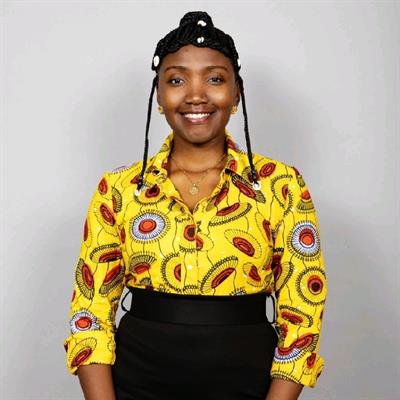
Gamuchirai MUTEZO
Madam Waste
Dr Gamuchirai Mutezo is the founder of Madam Waste, a 100% African female-owned urban energy planning firm based in Johannesburg, South Africa and Kigali, Rwanda. Using principles of circular economy, Madam Waste views waste not as disposable material, but as a resource for new products. Offerings include: strategic consulting, green design thinking workshops, knowledge sharing podcasts, and waste valorisation demonstrations.
Dr Mutezo has over 15 years’ work experience underpinned by entrepreneurship, renewable energy, applied research and development, all with a keen focus on decentralising energy access in African cities using anaerobic digestion.
She holds a B. Town and Regional Planning (University of Pretoria), an MPhil Energy Poverty and Development (University of Cape Town), Project Management Certificate (University of South Africa) and a DPhil in Urban Biogas and Circular Economy (University of the Witwatersrand).
Dr Mutezo is a member of the African Circular Business Alliance (ACBA), African Circular Economy Network (ACEN) - South Africa and South African Biogas Industry Association (SABIA).
Green Cooking in Africa: Building Integrated Bioenergy Ecosystems 18/06/2026 at 09:30
Africa’s cooking energy transition requires more than simply replacing traditional fuels — it requires the development of integrated, scalable, and locally rooted energy ecosystems. This session explores the emerging concept of “Green Cooking”: modern renewable cooking systems based on sustainable bioenergy pathways including biogas, bioethanol, pellets, wood chips, and other circular biomass solutions.
Bringing together technology developers, project implementers, financiers, policymakers, and carbon market stakeholders, the session will examine how fuels and cooking technologies must be developed in parallel to create viable markets and long-term adoption. Discussions will cover technology pathways, decentralized production models, fuel distribution systems, circular economy opportunities, institutional demand, carbon finance, and the policy frameworks needed to scale green cooking across Africa.
The session aims to position bioenergy not as a transitional solution, but as a strategic pillar of Africa’s renewable energy, agricultural, and circular bioeconomy future.
The planned session structure is as follows:
- Welcome & Introduction (09:30 - 09:40)
- Fuel & Technology Pathways (09:40 - 10:40)
- Value Chains & Deployment (10:40 - 11:35)
Break: Stretch your legs (11:35 - 11:50)
- Finance (11:50 - 12:30)
- Panel Discussion: Scaling up (12:30 - 13:00)
Session organised in collaboration with the World Bioenergy Association (WBA) Clean Cooking Working Group. Support by GIZ Kenya, African Biodigester Component Kenya
|
|
Mqondisi Nala
Principal Specialist Business Development | Biogenic Product Development & Sourcing
Sasol
Renewable Biofuels & Biochemicals: Scaling Biodiesel in Africa 18/06/2026 at 14:00
As Africa seeks to diversify its renewable energy mix and reduce dependence on imported fossil fuels, biodiesel is increasingly emerging as a practical circular-economy solution capable of transforming problematic waste streams into locally produced transport and industrial fuels. This session will explore the growing biodiesel landscape within Southern Africa, examining how waste oils, organic residues and other feedstocks are being converted into cleaner-burning renewable fuels while simultaneously addressing waste management, emissions reduction and energy security challenges. The discussion will also examine the evolving role of biodiesel within industrial decarbonisation, transport applications and localised energy resilience strategies.
Drawing on practical project experience and operational expertise, contributors including Kulu Eco-Services, Thauma Energy Projects, MT Biofuels, Zen Oil, Sasol and BLEG GreenEnergy will share insights into feedstock sourcing, used cooking oil recovery, biodiesel production systems, fuel quality standards and market deployment within African operating conditions. The session will also explore how biodiesel production pathways can evolve beyond fuel alone towards the wider valorisation of bio-based molecules and co-products, including opportunities linked to biochemicals, industrial inputs and higher-value circular bioeconomy applications. Delegates can expect to gain a clearer understanding of both the opportunities and practical challenges associated with scaling biodiesel production in Africa, including feedstock logistics, regulatory frameworks, quality assurance, decentralised production models and the wider role biodiesel and associated bio-refining pathways could play within Africa’s emerging circular bioeconomy.
|
|
Florência NAMBURETE
Project Mananger
SOGEPAL (Sociedade Geral de Produtos e Alternativas Energéticas, Lda.)
Florência Saide Namburete, Founding Partner of SOGEPAL, is currently the Director of Projects and Human Resources at one of Mozambique's leading companies in the production and marketing of improved stoves.
With a degree in Psychology, she has accumulated approximately 15 years of professional experience in the renewable energy sector, having participated in various research, marketing, dissemination, and project implementation activities aimed at providing access to improved stoves for communities in southern Mozambique. She began her career in 2011 at SOGEPAL in the Human Resources and Public Relations Department, accumulating 6 years of experience.
Green Cooking in Africa: Building Integrated Bioenergy Ecosystems 18/06/2026 at 09:30
Africa’s cooking energy transition requires more than simply replacing traditional fuels — it requires the development of integrated, scalable, and locally rooted energy ecosystems. This session explores the emerging concept of “Green Cooking”: modern renewable cooking systems based on sustainable bioenergy pathways including biogas, bioethanol, pellets, wood chips, and other circular biomass solutions.
Bringing together technology developers, project implementers, financiers, policymakers, and carbon market stakeholders, the session will examine how fuels and cooking technologies must be developed in parallel to create viable markets and long-term adoption. Discussions will cover technology pathways, decentralized production models, fuel distribution systems, circular economy opportunities, institutional demand, carbon finance, and the policy frameworks needed to scale green cooking across Africa.
The session aims to position bioenergy not as a transitional solution, but as a strategic pillar of Africa’s renewable energy, agricultural, and circular bioeconomy future.
The planned session structure is as follows:
- Welcome & Introduction (09:30 - 09:40)
- Fuel & Technology Pathways (09:40 - 10:40)
- Value Chains & Deployment (10:40 - 11:35)
Break: Stretch your legs (11:35 - 11:50)
- Finance (11:50 - 12:30)
- Panel Discussion: Scaling up (12:30 - 13:00)
Session organised in collaboration with the World Bioenergy Association (WBA) Clean Cooking Working Group. Support by GIZ Kenya, African Biodigester Component Kenya
|
|
Francis NDOVI
CEO & FOUNDER
VTT GEL FUELS
Francis Ndovi is the Founder, CEO, and Owner of VTT Gel Fuels (Pty) Ltd (operating as VTT Holdings (Pty) Ltd), a 100% black-owned, Level 1 BBBEE-certified South African manufacturer established in 2017 and based in Krugersdorp, Johannesburg area. With a lifelong passion for becoming an industrialist and driving sustainable solutions for Africa, Francis has built VTT into a key player in the clean cooking and bioenergy sector. The company specializes in the in-house manufacturing of high-performance bio-ethanol gel fuels, smart-metered cookstoves, chafing fuels, cleaning products (including dishwashing liquids, floor polishes, and pine gels), and biodegradable foams. VTT’s products emphasize safety, efficiency (3–4+ hours burn time with consistent high temperatures and no residue/odor), and environmental benefits such as significant reductions in indoor air pollution (PM2.5–PM10).21e205 Francis is at the forefront of integrating technology and sustainability in clean cooking. Key milestones include securing a major municipal order for 2,824 smart two-burner gel stoves, advancing a University of Johannesburg feasibility study on emissions and health impacts, and developing the VTT eco Cook App for real-time fuel metering, carbon tracking, and climate/health insights. As of late May 2026, VTT has progressed rapidly with meter installations, production scaling, and a sleek black two-burner stove prototype featuring a vibrant blue flame, positioning the company for broader distrib
Green Cooking in Africa: Building Integrated Bioenergy Ecosystems 18/06/2026 at 09:30
Africa’s cooking energy transition requires more than simply replacing traditional fuels — it requires the development of integrated, scalable, and locally rooted energy ecosystems. This session explores the emerging concept of “Green Cooking”: modern renewable cooking systems based on sustainable bioenergy pathways including biogas, bioethanol, pellets, wood chips, and other circular biomass solutions.
Bringing together technology developers, project implementers, financiers, policymakers, and carbon market stakeholders, the session will examine how fuels and cooking technologies must be developed in parallel to create viable markets and long-term adoption. Discussions will cover technology pathways, decentralized production models, fuel distribution systems, circular economy opportunities, institutional demand, carbon finance, and the policy frameworks needed to scale green cooking across Africa.
The session aims to position bioenergy not as a transitional solution, but as a strategic pillar of Africa’s renewable energy, agricultural, and circular bioeconomy future.
The planned session structure is as follows:
- Welcome & Introduction (09:30 - 09:40)
- Fuel & Technology Pathways (09:40 - 10:40)
- Value Chains & Deployment (10:40 - 11:35)
Break: Stretch your legs (11:35 - 11:50)
- Finance (11:50 - 12:30)
- Panel Discussion: Scaling up (12:30 - 13:00)
Session organised in collaboration with the World Bioenergy Association (WBA) Clean Cooking Working Group. Support by GIZ Kenya, African Biodigester Component Kenya
|
|
|
|
Etian NGOBENI
Researcher
Centre for Renewable and Sustainable Energy Studies (CRSES - Stellenbosch University)
Dr Etian Ngobeni is a Researcher at the Centre for Renewable and Sustainable Energy Studies (CRSES) at Stellenbosch University. He holds a PhD in Industrial Engineering from Stellenbosch University, as well as a BSc and MSc in Agricultural Economics from the University of Limpopo.
His research focuses on the intersection of sustainability, systems thinking, resource efficiency, and circular economy development, with particular interests in agrifood systems, renewable energy, and sustainable infrastructure. Through an interdisciplinary approach that integrates engineering, economics, and systems analysis, his work seeks to address complex challenges related to food security, energy transitions, resource management, and sustainable development.
In recognition of his academic excellence and contribution to the agricultural sector, Dr Ngobeni was named the South African Agricultural Awards Student of the Year in 2025 nationally, by the South African Agricultural Awards. He has also contributed to international initiatives, including the World Food Forum Youth Assembly and the BRICS Youth Energy Agency, where he engaged in discussions on sustainable food systems, energy transitions, and youth-led development.
Green Cooking in Africa: Building Integrated Bioenergy Ecosystems 18/06/2026 at 09:30
Africa’s cooking energy transition requires more than simply replacing traditional fuels — it requires the development of integrated, scalable, and locally rooted energy ecosystems. This session explores the emerging concept of “Green Cooking”: modern renewable cooking systems based on sustainable bioenergy pathways including biogas, bioethanol, pellets, wood chips, and other circular biomass solutions.
Bringing together technology developers, project implementers, financiers, policymakers, and carbon market stakeholders, the session will examine how fuels and cooking technologies must be developed in parallel to create viable markets and long-term adoption. Discussions will cover technology pathways, decentralized production models, fuel distribution systems, circular economy opportunities, institutional demand, carbon finance, and the policy frameworks needed to scale green cooking across Africa.
The session aims to position bioenergy not as a transitional solution, but as a strategic pillar of Africa’s renewable energy, agricultural, and circular bioeconomy future.
The planned session structure is as follows:
- Welcome & Introduction (09:30 - 09:40)
- Fuel & Technology Pathways (09:40 - 10:40)
- Value Chains & Deployment (10:40 - 11:35)
Break: Stretch your legs (11:35 - 11:50)
- Finance (11:50 - 12:30)
- Panel Discussion: Scaling up (12:30 - 13:00)
Session organised in collaboration with the World Bioenergy Association (WBA) Clean Cooking Working Group. Support by GIZ Kenya, African Biodigester Component Kenya
|
|
Wezzie Ngoma
Programs Manager
GREEN IMPACT TECHNOLOGIES
Wezzie is the Customer Experience and Programs Manager at Green Impact Technologies, a company at the forefront of clean energy access in Malawi and Zambia. She holds a Master's degree in Integrated Water Resources Management from the University of Zimbabwe. Her background in water and sanitation is more than a foundation it is directly relevant to the work she does today. At GIT, this expertise informs how the company converts organic market waste into biogas for clean cooking energy and bio slurry for agricultural use turning what was once a waste management problem into a circular economy solution for market vendors and smallholder farmers alike. She will share the lessons learnt from GIT's experience in commercializing biogas systems in Malawi offering honest reflections and practical insights into what it takes to scale waste-to-energy models.
Green Cooking in Africa: Building Integrated Bioenergy Ecosystems 18/06/2026 at 09:30
Africa’s cooking energy transition requires more than simply replacing traditional fuels — it requires the development of integrated, scalable, and locally rooted energy ecosystems. This session explores the emerging concept of “Green Cooking”: modern renewable cooking systems based on sustainable bioenergy pathways including biogas, bioethanol, pellets, wood chips, and other circular biomass solutions.
Bringing together technology developers, project implementers, financiers, policymakers, and carbon market stakeholders, the session will examine how fuels and cooking technologies must be developed in parallel to create viable markets and long-term adoption. Discussions will cover technology pathways, decentralized production models, fuel distribution systems, circular economy opportunities, institutional demand, carbon finance, and the policy frameworks needed to scale green cooking across Africa.
The session aims to position bioenergy not as a transitional solution, but as a strategic pillar of Africa’s renewable energy, agricultural, and circular bioeconomy future.
The planned session structure is as follows:
- Welcome & Introduction (09:30 - 09:40)
- Fuel & Technology Pathways (09:40 - 10:40)
- Value Chains & Deployment (10:40 - 11:35)
Break: Stretch your legs (11:35 - 11:50)
- Finance (11:50 - 12:30)
- Panel Discussion: Scaling up (12:30 - 13:00)
Session organised in collaboration with the World Bioenergy Association (WBA) Clean Cooking Working Group. Support by GIZ Kenya, African Biodigester Component Kenya
|
|
Green Cooking in Africa: Building Integrated Bioenergy Ecosystems 18/06/2026 at 09:30
Africa’s cooking energy transition requires more than simply replacing traditional fuels — it requires the development of integrated, scalable, and locally rooted energy ecosystems. This session explores the emerging concept of “Green Cooking”: modern renewable cooking systems based on sustainable bioenergy pathways including biogas, bioethanol, pellets, wood chips, and other circular biomass solutions.
Bringing together technology developers, project implementers, financiers, policymakers, and carbon market stakeholders, the session will examine how fuels and cooking technologies must be developed in parallel to create viable markets and long-term adoption. Discussions will cover technology pathways, decentralized production models, fuel distribution systems, circular economy opportunities, institutional demand, carbon finance, and the policy frameworks needed to scale green cooking across Africa.
The session aims to position bioenergy not as a transitional solution, but as a strategic pillar of Africa’s renewable energy, agricultural, and circular bioeconomy future.
The planned session structure is as follows:
- Welcome & Introduction (09:30 - 09:40)
- Fuel & Technology Pathways (09:40 - 10:40)
- Value Chains & Deployment (10:40 - 11:35)
Break: Stretch your legs (11:35 - 11:50)
- Finance (11:50 - 12:30)
- Panel Discussion: Scaling up (12:30 - 13:00)
Session organised in collaboration with the World Bioenergy Association (WBA) Clean Cooking Working Group. Support by GIZ Kenya, African Biodigester Component Kenya
|
|
Tafadzwa Dutoit NYAMANDE
Operations Manager
CarbonConnect GmbH Zimbabwe
Tafadzwa a biochar project developer focused on advancing climate-smart agriculture and circular bioeconomy solutions across Africa. Based in Zimbabwe, he has played a key role in developing scalable biochar production initiatives that convert agricultural residues into valuable soil amendments and durable carbon removal assets.
In 2023, he partnered with CarbonConnect GmbH and the Organic Farming Academy to establish one of Zimbabwe’s first biochar production operations. The project has demonstrated the viability of decentralized biochar production models that can support both soil restoration and carbon credit generation in smallholder farming systems.
Tafadzwa’s work also aligns with the broader collaboration between PlantVillage and CarbonConnect on distributed biochar carbon credits. This partnership integrates local biomass conversion with robust digital monitoring, reporting, and verification systems to enable transparent, farmer-inclusive carbon removal programs. The model is designed to make high-integrity carbon credits more accessible while creating measurable benefits for farming communities.
He is instrumental to deployment of the PyroTower, a next-generation pyrolysis platform designed for reliable, low-emission biochar production in distributed settings. The PyroTower supports the efficient conversion of waste biomass into biochar at or near the point of origin, helping improve operational scalability, reduce transport burdens, and strengthen local CDR.
Regenerative Agriculture: Restoring Soils through Biological & Circular Solutions 18/06/2026 at 10:00
Regenerative agriculture is increasingly emerging as a critical intersection point between soil health, nutrient recovery, climate resilience, circular economy development and carbon removal. This session will explore how biological inputs, organic waste valorisation, biofertilisers and biochar-based soil solutions are being deployed to help restore degraded soils, improve crop productivity and reduce dependence on imported synthetic fertilisers. Bringing together pioneers working across waste management, biological agronomy, carbon markets and regenerative farming systems, the discussion will examine how integrated circular approaches can help strengthen both agricultural resilience and local bioeconomies within African and international contexts.
Drawing on operational experience from across the continent, Regen Organics will share insight into its circular economy model transforming urban organic waste streams into valuable agricultural inputs, including organic fertilisers, while also pioneering biochar and carbon credit initiatives in Africa. GreenCell will explore the role of biofertilisers and biological soil enhancement in improving soil health, sustainability and crop yields within emerging agronomic systems. Contributions from Phambili Energy will examine the JengaBio Suite and its approach to biological and regenerative agricultural solutions, while Circular Bionutrient Economy Network (CBEA) and Regen8 / Aquagel will provide broader perspectives on nutrient cycling, soil regeneration, water efficiency and sustainable land management. Delegates can expect to gain practical insight into how regenerative agriculture is evolving from isolated practices into integrated systems linking waste valorisation, biological soil restoration, climate resilience and carbon finance opportunities.
Part 1 (10:00 - 11:30) CBEA Regen Organics Greencell Carbon Connect 1 hour of presentations and 30 mins of panel discussion / exchange with the floor
Part 2 (11:40 - 13:10) Phambili Energy Aquagel Bioactive Biologics 1 hour of presentations and 30 mins of panel discussion / exchange with the floor
|
|
Developing Successful Biogas Projects: From Concept to Operation 17/06/2026 at 11:00
This session will focus on the practical aspects of developing successful biogas projects, from early-stage concept development through to implementation and operation. Speakers will share lessons learned from real projects and discuss the technical, financial, operational, and institutional considerations involved in delivering viable biogas systems within the African context. Topics include:
- Project feasibility and feedstock assessments
- Technology selection and system design
- Project financing and investment readiness
- Stakeholder engagement and partnerships
- Construction, commissioning, and operational considerations
- Challenges and opportunities within African markets
|
|
South African Biochar Insights : Individual Journeys, Collective Experience 17/06/2026 at 14:00
South Africa’s biochar sector is reaching an important turning point. For the first time, a unique group of pioneering producers, technology developers and early-stage project leaders will come together for an open discussion on the realities of building a biochar industry within the Sub-Saharan African context. Drawing on hands-on experience from organisations including B10 Char, PyroSA / Pyronam, Phambili Global, MyCHARR, Aquagel and Nhlamunyiko Group, the session will offer delegates a rare opportunity to hear directly from those navigating the technical, operational, financial and market realities of scaling biochar projects in Southern Africa. Through the sharing of individual journeys - each shaped by different feedstocks, technologies, markets, financing pathways and operational contexts - the discussion will help reveal a broader collective experience of the sector, highlighting both the recurring challenges encountered across projects and the areas where approaches are converging around shared lessons - or beginning to diverge as technologies, markets and business models evolve.
Rather than theoretical discussions, the session will focus on practical lessons learned from real projects, real deployment challenges and real commercial experiences encountered along the way. The discussion will explore how producers and developers are approaching feedstock selection, technology pathways, carbon certification, market development and commercial positioning, while also examining where the strongest opportunities are emerging across agriculture, industry, carbon removal and the wider bioeconomy. Delegates can expect candid insight into the successes, setbacks and unexpected realities encountered by first movers in the sector, as well as perspectives on what is still needed - from policy support and infrastructure to financing mechanisms, partnerships and market confidence - to help accelerate biochar deployment across Sub-Saharan Africa. Together, these collective experiences will help provide a grounded and forward-looking picture of where the Sub-Saharan African biochar sector stands today and where it could realistically evolve to over the coming decade.
|
Regenerative Agriculture: Restoring Soils through Biological & Circular Solutions 18/06/2026 at 10:00
Regenerative agriculture is increasingly emerging as a critical intersection point between soil health, nutrient recovery, climate resilience, circular economy development and carbon removal. This session will explore how biological inputs, organic waste valorisation, biofertilisers and biochar-based soil solutions are being deployed to help restore degraded soils, improve crop productivity and reduce dependence on imported synthetic fertilisers. Bringing together pioneers working across waste management, biological agronomy, carbon markets and regenerative farming systems, the discussion will examine how integrated circular approaches can help strengthen both agricultural resilience and local bioeconomies within African and international contexts.
Drawing on operational experience from across the continent, Regen Organics will share insight into its circular economy model transforming urban organic waste streams into valuable agricultural inputs, including organic fertilisers, while also pioneering biochar and carbon credit initiatives in Africa. GreenCell will explore the role of biofertilisers and biological soil enhancement in improving soil health, sustainability and crop yields within emerging agronomic systems. Contributions from Phambili Energy will examine the JengaBio Suite and its approach to biological and regenerative agricultural solutions, while Circular Bionutrient Economy Network (CBEA) and Regen8 / Aquagel will provide broader perspectives on nutrient cycling, soil regeneration, water efficiency and sustainable land management. Delegates can expect to gain practical insight into how regenerative agriculture is evolving from isolated practices into integrated systems linking waste valorisation, biological soil restoration, climate resilience and carbon finance opportunities.
Part 1 (10:00 - 11:30) CBEA Regen Organics Greencell Carbon Connect 1 hour of presentations and 30 mins of panel discussion / exchange with the floor
Part 2 (11:40 - 13:10) Phambili Energy Aquagel Bioactive Biologics 1 hour of presentations and 30 mins of panel discussion / exchange with the floor
|
|
Green Cooking in Africa: Building Integrated Bioenergy Ecosystems 18/06/2026 at 09:30
Africa’s cooking energy transition requires more than simply replacing traditional fuels — it requires the development of integrated, scalable, and locally rooted energy ecosystems. This session explores the emerging concept of “Green Cooking”: modern renewable cooking systems based on sustainable bioenergy pathways including biogas, bioethanol, pellets, wood chips, and other circular biomass solutions.
Bringing together technology developers, project implementers, financiers, policymakers, and carbon market stakeholders, the session will examine how fuels and cooking technologies must be developed in parallel to create viable markets and long-term adoption. Discussions will cover technology pathways, decentralized production models, fuel distribution systems, circular economy opportunities, institutional demand, carbon finance, and the policy frameworks needed to scale green cooking across Africa.
The session aims to position bioenergy not as a transitional solution, but as a strategic pillar of Africa’s renewable energy, agricultural, and circular bioeconomy future.
The planned session structure is as follows:
- Welcome & Introduction (09:30 - 09:40)
- Fuel & Technology Pathways (09:40 - 10:40)
- Value Chains & Deployment (10:40 - 11:35)
Break: Stretch your legs (11:35 - 11:50)
- Finance (11:50 - 12:30)
- Panel Discussion: Scaling up (12:30 - 13:00)
Session organised in collaboration with the World Bioenergy Association (WBA) Clean Cooking Working Group. Support by GIZ Kenya, African Biodigester Component Kenya
|
|
|
|
Marc Reinhard
International Affairs Manager
Fachverband Biogas e V
Biogas & the Circular Economy: Valorising Agricultural Residues and Biowaste 17/06/2026 at 12:00
Africa generates significant volumes of agricultural residues and organic waste that can be converted into renewable energy and valuable bio-based products. This session will explore the potential of biogas systems to unlock value from these underutilised resources. The discussion will highlight feedstock opportunities from agriculture, agro-processing, food systems, and municipal organic waste streams, while showcasing how waste-to-energy solutions can contribute to energy generation, sustainable agriculture, and circular economy development. Topics include:
- Livestock manure and agricultural residues
- Food and agro-processing waste
- Industrial effluents, wastewater and resource recovery
- Municipal organic waste diversion and co-digestion
- Feedstock management and logistics
- Digestate utilisation, nutrient recovery and biofertilisers
- Circular economy opportunities linked to biogas and biomethane
|
|
Lorenzo SAMBO
Sales Area Manager
UNICONFORT SRL
Lorenzo is an Energy Engineering graduate with over 4 years of experience spanning the energy provider sector and renewable energy project development, from feasibility studies through to commissioning. His focus lies in combustion system innovation, helping industrial clients achieve energy independence and transition from fossil fuels to clean biomass energy - converting locally available wood, agricultural, and industrial residues into a reliable, self-sufficient energy source. At Uniconfort, Lorenzo brings together technical depth and commercial expertise to support clients in producing steam, hot water, superheated water, and thermal oil from their own biomass streams - reducing dependence on external energy suppliers while cutting emissions and operating costs.
|
Anna Schniepper
Jurisdictional Lead - Key Account Manager
Carbon Standards International CSI
Navigating Biochar Carbon Projects: Building Credible & Investable Biochar Carbon Projects 17/06/2026 at 10:00
As biochar projects move from pilot scale to fully operational carbon removal businesses, developers are increasingly confronted with the practical realities of certification, monitoring, verification and credit issuance. This session will move beyond high-level discussions to focus on the real-world “how-to” of successfully developing, certifying and operating biochar carbon projects. Drawing on practical experience from project developers, standards bodies and carbon market specialists, the discussion will explore the key operational, technical and documentation requirements needed to avoid delays, improve project bankability and ensure the reliable issuance of carbon credits.
Particular attention will be given to the critical interfaces between project design, feedstock selection, production systems, laboratory analysis, MRV requirements and registry expectations. Speakers including International Biochar Initiative (IBI), Carbon Standards International and atmosfair will share practical insights gathered from working directly with producers, buyers, laboratories and certification systems across multiple projects and legal frameworks. Delegates can expect to gain a clearer understanding of the common pitfalls that slow projects down, the steps required to achieve smoother certification pathways, and how robust project design and operational discipline can support timely, credible and commercially viable carbon credit generation.
|
|
Navigating Energy-from-Waste: Thermal Conversion & Circular Economy Pathways 18/06/2026 at 11:30
Non-recyclable waste streams remain a growing challenge across many African municipalities and industries, particularly where landfill capacity, waste segregation and recycling infrastructure are limited. This session explores the role of thermal conversion technologies in recovering energy from residual waste streams that cannot be economically or technically recycled, while examining the place of energy-from-waste within broader circular economy and decarbonisation strategies.
Bringing together international expertise and practical experience, ESWET (the European Suppliers of energy-from-waste Technologies Association) will examine how energy-from-waste can complement recycling and material recovery within a circular economy framework. Vyncke and other industry contributors will share insights from real-world projects involving RDF production, industrial combustion systems and emissions control technologies. Yellow Tree Environmental will provide perspectives on air quality, emissions compliance, greenhouse gas accounting, carbon tax considerations and the broader environmental requirements associated with energy-from-waste projects.
Delegates will gain a balanced understanding of the technical, environmental and regulatory considerations surrounding energy-from-waste systems, and the role they may play in sustainable waste management and energy recovery strategies across Africa.
|
|
|
|
|
|
Khuthala SOMDAKA
Project Manager - Renewable Energy
Eastern Cape Rural Development Agency (ECRDA)
Renewable Biofuels & Biochemicals: Scaling Biodiesel in Africa 18/06/2026 at 14:00
As Africa seeks to diversify its renewable energy mix and reduce dependence on imported fossil fuels, biodiesel is increasingly emerging as a practical circular-economy solution capable of transforming problematic waste streams into locally produced transport and industrial fuels. This session will explore the growing biodiesel landscape within Southern Africa, examining how waste oils, organic residues and other feedstocks are being converted into cleaner-burning renewable fuels while simultaneously addressing waste management, emissions reduction and energy security challenges. The discussion will also examine the evolving role of biodiesel within industrial decarbonisation, transport applications and localised energy resilience strategies.
Drawing on practical project experience and operational expertise, contributors including Kulu Eco-Services, Thauma Energy Projects, MT Biofuels, Zen Oil, Sasol and BLEG GreenEnergy will share insights into feedstock sourcing, used cooking oil recovery, biodiesel production systems, fuel quality standards and market deployment within African operating conditions. The session will also explore how biodiesel production pathways can evolve beyond fuel alone towards the wider valorisation of bio-based molecules and co-products, including opportunities linked to biochemicals, industrial inputs and higher-value circular bioeconomy applications. Delegates can expect to gain a clearer understanding of both the opportunities and practical challenges associated with scaling biodiesel production in Africa, including feedstock logistics, regulatory frameworks, quality assurance, decentralised production models and the wider role biodiesel and associated bio-refining pathways could play within Africa’s emerging circular bioeconomy.
|
|
Enhancing Anaerobic Digestion Performance through Biological & Process Optimisation 17/06/2026 at 16:20
Optimising anaerobic digestion systems is essential for improving plant efficiency, increasing gas yields, enhancing digestate quality and ensuring long-term operational stability. This technical session will focus on the strategies, technologies and operational approaches being used to improve the performance of anaerobic digestion systems across different scales and applications. Bringing together complementary perspectives from biological optimisation specialists, material technology providers and experienced plant operators, the discussion will examine how process optimisation is becoming increasingly important for maximising both the technical and economic performance of AD projects.
Greencell will present its approach to boosting anaerobic digestion performance through bio-solutions designed to enhance both biogas output and digestate value. The discussion will explore how biological optimisation strategies, microbial stimulation and process enhancement can contribute to greater methane yields, improved digestion efficiency and higher-value nutrient recovery from digestate streams.
Drawing on operational experience from South Africa, Cape Town Biogas will contribute practical perspectives on the optimisation and day-to-day management of anaerobic digestion systems under real operating conditions. This will include insight into process stability, operational troubleshooting, feedstock handling and maintaining plant performance in commercial and municipal contexts.
Together, these perspectives will provide a rounded view of how biological optimisation, gas treatment technologies, material science and operational know-how can work together to improve methane yields, process resilience, digestate valorisation and the long-term bankability of anaerobic digestion projects.
|
|
David TINARWO
University Academic and Researcher
University of Venda
David Tinarwo is an Associate Professor in the Department of Physics at University of Venda and a leading researcher in renewable energy and sustainable rural development. He leads the Renewable Energy Research Group and specialises in hybrid renewable energy systems, solar photovoltaics, biogas-integrated farming systems, hydrogen energy, microgrids, and circular economy approaches within the Water–Energy–Food (WEF) nexus.
His research focuses on climate-resilient energy solutions that integrate renewable energy, agriculture, waste-to-energy systems, and productive-use applications for rural communities. Prof. Tinarwo has led and contributed to multidisciplinary projects involving renewable-energy-powered irrigation, mini-grids, biogas systems, sustainable entrepreneurship, and energy poverty alleviation in South Africa.
He is actively involved in international collaborations related to the Just Energy Transition, rural living labs, renewable energy governance, and sustainable entrepreneurship. His work combines techno-economic analysis, environmental sustainability assessment, and community-centred innovation to support socio-economic development and climate resilience.
Prof. Tinarwo has supervised postgraduate research extensively and contributed to academic publications, technical reports, curriculum development, and policy engagement in renewable energy and sustainable development.
Biogas Plenary : Building a Biogas Ecosystem - Policy, Regulation & Partnerships 17/06/2026 at 10:00
This opening plenary session will provide a high-level overview of the current state and future potential of the biogas sector in South Africa, with a particular focus on the policy and regulatory environment required to support industry growth.
The session will explore how governments, municipalities, regulators, and industry stakeholders can work together to create enabling frameworks that accelerate investment, project implementation, and long-term sector development. Discussions will also highlight the role of biogas within broader energy transition, waste management, climate, and circular economy strategies.
Key themes may include:
- Biogas policy and regulatory developments
- Waste management and renewable energy legislation
- Licensing, permitting, and compliance requirements
- Public-private collaboration and sector support mechanisms
- The role of biogas in achieving climate and sustainability targets
|
|
Renewable Biofuels & Biochemicals: Scaling Biodiesel in Africa 18/06/2026 at 14:00
As Africa seeks to diversify its renewable energy mix and reduce dependence on imported fossil fuels, biodiesel is increasingly emerging as a practical circular-economy solution capable of transforming problematic waste streams into locally produced transport and industrial fuels. This session will explore the growing biodiesel landscape within Southern Africa, examining how waste oils, organic residues and other feedstocks are being converted into cleaner-burning renewable fuels while simultaneously addressing waste management, emissions reduction and energy security challenges. The discussion will also examine the evolving role of biodiesel within industrial decarbonisation, transport applications and localised energy resilience strategies.
Drawing on practical project experience and operational expertise, contributors including Kulu Eco-Services, Thauma Energy Projects, MT Biofuels, Zen Oil, Sasol and BLEG GreenEnergy will share insights into feedstock sourcing, used cooking oil recovery, biodiesel production systems, fuel quality standards and market deployment within African operating conditions. The session will also explore how biodiesel production pathways can evolve beyond fuel alone towards the wider valorisation of bio-based molecules and co-products, including opportunities linked to biochemicals, industrial inputs and higher-value circular bioeconomy applications. Delegates can expect to gain a clearer understanding of both the opportunities and practical challenges associated with scaling biodiesel production in Africa, including feedstock logistics, regulatory frameworks, quality assurance, decentralised production models and the wider role biodiesel and associated bio-refining pathways could play within Africa’s emerging circular bioeconomy.
|
|
Industrial Biochar Applications for Metallurgy, Construction and Mining Land Rehabilitation 17/06/2026 at 15:30
As biochar markets continue to mature, increasing attention is being given to industrial applications capable of extending its value far beyond agriculture and carbon removal alone. This session will explore how biochar and biocarbon materials are beginning to emerge as strategic tools within industrial decarbonisation pathways, particularly in energy-intensive sectors such as metallurgy, mining and heavy industry. Drawing on international project experience and operational perspectives, the discussion will examine the technical, environmental and commercial realities of integrating biochar-derived materials into industrial processes traditionally reliant on fossil carbon sources.
Alongside industrial applications, the session will also explore the growing role of biochar in land remediation and ecological restoration, particularly in landscapes affected by mining and industrial degradation. Speakers will share insights into how biochar can contribute to soil rehabilitation, contaminant immobilisation, water retention and ecosystem recovery, while simultaneously supporting carbon sequestration and circular resource utilisation. Delegates can expect to gain a clearer understanding of the opportunities, limitations and emerging market pathways for industrial biochar applications, as well as how these approaches may contribute to wider decarbonisation, land restoration and bioeconomy development strategies within African and international contexts.
|
|
Renewable Biofuels & Biochemicals: Scaling Biodiesel in Africa 18/06/2026 at 14:00
As Africa seeks to diversify its renewable energy mix and reduce dependence on imported fossil fuels, biodiesel is increasingly emerging as a practical circular-economy solution capable of transforming problematic waste streams into locally produced transport and industrial fuels. This session will explore the growing biodiesel landscape within Southern Africa, examining how waste oils, organic residues and other feedstocks are being converted into cleaner-burning renewable fuels while simultaneously addressing waste management, emissions reduction and energy security challenges. The discussion will also examine the evolving role of biodiesel within industrial decarbonisation, transport applications and localised energy resilience strategies.
Drawing on practical project experience and operational expertise, contributors including Kulu Eco-Services, Thauma Energy Projects, MT Biofuels, Zen Oil, Sasol and BLEG GreenEnergy will share insights into feedstock sourcing, used cooking oil recovery, biodiesel production systems, fuel quality standards and market deployment within African operating conditions. The session will also explore how biodiesel production pathways can evolve beyond fuel alone towards the wider valorisation of bio-based molecules and co-products, including opportunities linked to biochemicals, industrial inputs and higher-value circular bioeconomy applications. Delegates can expect to gain a clearer understanding of both the opportunities and practical challenges associated with scaling biodiesel production in Africa, including feedstock logistics, regulatory frameworks, quality assurance, decentralised production models and the wider role biodiesel and associated bio-refining pathways could play within Africa’s emerging circular bioeconomy.
|
|
Southern Africa’s Biomass Fuel Supply Chains: Building Reliable Markets for Pellets, Chips & Briquettes 18/06/2026 at 14:00
Southern Africa’s solid biomass sector is entering a pivotal phase of development as industries and power producers seek reliable alternatives to fossil fuels. While wood pellets have attracted growing attention, the opportunity extends across pellets, wood chips and briquettes. However, success depends not only on fuel production but on the development of professional biomass supply chains capable of delivering consistent quality, secure volumes and long-term reliability. For biomass projects to succeed, fuel supply considerations must be integrated from the earliest stages of project design, alongside technology, engineering and financing.
This session brings together leading biomass producers, suppliers and sector organisations to explore the practical realities of building a mature biomass industry in Southern Africa. Speakers will share experience in feedstock development, logistics, fuel quality assurance and customer engagement, while addressing the critical question of how the sector can demonstrate the reliability and professionalism required by industrial and utility off-takers.
Featuring Africa Biomass Company, HVE Wood Pelleting, Coega Biomass Centre and Namibia Biomass Industry Group (N-BiG), the discussion will highlight different approaches to market development and supply chain structuring. Particular attention will be given to Namibia’s coordinated biomass sector development model and the lessons it offers for the wider region.
The session will also examine opportunities in industrial heat and power, clean cooking and export markets, alongside the infrastructure, contracting models, certification frameworks and investment conditions needed to scale deployment. Ultimately, the discussion aims to explore how Southern Africa can build a recognised, investable biomass industry capable of supplying reliable renewable fuels at scale.
|
|
Southern Africa’s Biomass Fuel Supply Chains: Building Reliable Markets for Pellets, Chips & Briquettes 18/06/2026 at 14:00
Southern Africa’s solid biomass sector is entering a pivotal phase of development as industries and power producers seek reliable alternatives to fossil fuels. While wood pellets have attracted growing attention, the opportunity extends across pellets, wood chips and briquettes. However, success depends not only on fuel production but on the development of professional biomass supply chains capable of delivering consistent quality, secure volumes and long-term reliability. For biomass projects to succeed, fuel supply considerations must be integrated from the earliest stages of project design, alongside technology, engineering and financing.
This session brings together leading biomass producers, suppliers and sector organisations to explore the practical realities of building a mature biomass industry in Southern Africa. Speakers will share experience in feedstock development, logistics, fuel quality assurance and customer engagement, while addressing the critical question of how the sector can demonstrate the reliability and professionalism required by industrial and utility off-takers.
Featuring Africa Biomass Company, HVE Wood Pelleting, Coega Biomass Centre and Namibia Biomass Industry Group (N-BiG), the discussion will highlight different approaches to market development and supply chain structuring. Particular attention will be given to Namibia’s coordinated biomass sector development model and the lessons it offers for the wider region.
The session will also examine opportunities in industrial heat and power, clean cooking and export markets, alongside the infrastructure, contracting models, certification frameworks and investment conditions needed to scale deployment. Ultimately, the discussion aims to explore how Southern Africa can build a recognised, investable biomass industry capable of supplying reliable renewable fuels at scale.
|
|
Green Cooking in Africa: Building Integrated Bioenergy Ecosystems 18/06/2026 at 09:30
Africa’s cooking energy transition requires more than simply replacing traditional fuels — it requires the development of integrated, scalable, and locally rooted energy ecosystems. This session explores the emerging concept of “Green Cooking”: modern renewable cooking systems based on sustainable bioenergy pathways including biogas, bioethanol, pellets, wood chips, and other circular biomass solutions.
Bringing together technology developers, project implementers, financiers, policymakers, and carbon market stakeholders, the session will examine how fuels and cooking technologies must be developed in parallel to create viable markets and long-term adoption. Discussions will cover technology pathways, decentralized production models, fuel distribution systems, circular economy opportunities, institutional demand, carbon finance, and the policy frameworks needed to scale green cooking across Africa.
The session aims to position bioenergy not as a transitional solution, but as a strategic pillar of Africa’s renewable energy, agricultural, and circular bioeconomy future.
The planned session structure is as follows:
- Welcome & Introduction (09:30 - 09:40)
- Fuel & Technology Pathways (09:40 - 10:40)
- Value Chains & Deployment (10:40 - 11:35)
Break: Stretch your legs (11:35 - 11:50)
- Finance (11:50 - 12:30)
- Panel Discussion: Scaling up (12:30 - 13:00)
Session organised in collaboration with the World Bioenergy Association (WBA) Clean Cooking Working Group. Support by GIZ Kenya, African Biodigester Component Kenya
|
|
Navigating Biochar Carbon Projects: Building Credible & Investable Biochar Carbon Projects 17/06/2026 at 10:00
As biochar projects move from pilot scale to fully operational carbon removal businesses, developers are increasingly confronted with the practical realities of certification, monitoring, verification and credit issuance. This session will move beyond high-level discussions to focus on the real-world “how-to” of successfully developing, certifying and operating biochar carbon projects. Drawing on practical experience from project developers, standards bodies and carbon market specialists, the discussion will explore the key operational, technical and documentation requirements needed to avoid delays, improve project bankability and ensure the reliable issuance of carbon credits.
Particular attention will be given to the critical interfaces between project design, feedstock selection, production systems, laboratory analysis, MRV requirements and registry expectations. Speakers including International Biochar Initiative (IBI), Carbon Standards International and atmosfair will share practical insights gathered from working directly with producers, buyers, laboratories and certification systems across multiple projects and legal frameworks. Delegates can expect to gain a clearer understanding of the common pitfalls that slow projects down, the steps required to achieve smoother certification pathways, and how robust project design and operational discipline can support timely, credible and commercially viable carbon credit generation.
|
|